

Roof Inspection Checklist: 6 Areas Every Homeowner Should Check
- A roof inspection checklist should cover six key areas: shingles, flashing and roof penetrations, gutters and downspouts, soffits and fascia, attic conditions, and interior signs of moisture.
- Homeowners can safely check many areas from the ground or inside the home, but leave roof walking and hard-to-reach areas to a qualified roofing professional.
- Regular inspections can help identify damage after seasonal weather or major storms before small roofing problems spread.
- Finding signs of wear early gives homeowners more time to understand the problem and decide whether they need a repair or a professional evaluation.
Creating a roof inspection checklist gives you a systematic way to spot potential damage before small problems become harder to address. And the best part? You don’t need roofing experience to check for many common warning signs. You can complete most of these checks safely from the ground or inside the home.
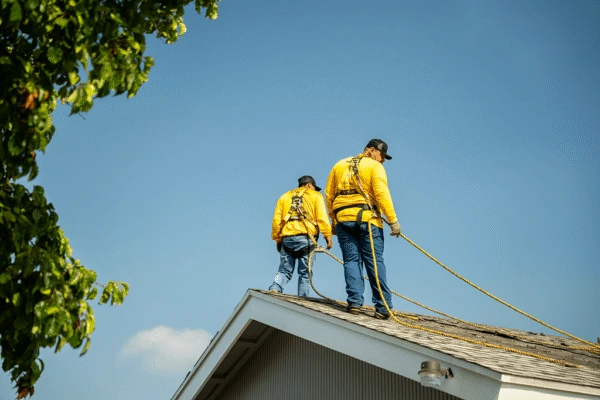
Do not walk on your roof during a routine inspection. Falls remain the leading cause of death in construction, according to OSHA, so leave roof access to the trained professionals.
This guide is your comprehensive residential roofing inspection checklist, including what to look for on your shingles, gutters, flashing, attic ventilation, and your home’s interior.
Why Regular Roof Inspections Matter
Damaged shingles, loose flashing, clogged gutters, or attic moisture can develop gradually before homeowners notice obvious signs indoors.
Regular inspections can help you:
- Catch visible damage early: Missing shingles, deteriorating flashing, and drainage problems are easier to address before moisture spreads.
- Check after severe weather: Hail, wind, falling branches, and other storm events can cause storm damage to your roof even when it still looks intact from a distance.
- Prepare for seasonal weather: A spring inspection can reveal winter damage, while a fall check can identify problems before colder weather arrives.
- Document roof condition: Photos and inspection records may help establish the roof’s condition over time. If storm damage occurs, review your policy and contact your insurer directly about documentation and your insurance claim requirements.
How Often Should You Inspect Your Roof?
Inspect your roof in spring and fall, and after major hail, wind, or tree-related events. Older roofs, or roofs with a history of repairs, may need closer attention because aging materials can develop damage that is hard to spot from the ground. The goal of an annual roof inspection routine is to recognize changes early enough to know when a professional inspection makes sense.
The Complete Roof Inspection Checklist (6 Areas to Check)
You can complete much of this roof inspection checklist without stepping onto the roof. Walk around your home with binoculars if needed, inspect accessible interior areas, and photograph anything that looks unusual.
Here’s what to look for:
1. Shingles — Signs of Wear, Damage, and Age
Your shingles form the main weather-resistant surface of many residential roofs. During an asphalt shingle roof inspection, look for:
- Missing or displaced shingles
- Curled, cupped, cracked, or split shingles
- Areas where shingles appear blistered or raised
- Dark patches where surface granules are missing
- Large amounts of sand-like granules collecting in gutters
- Moss, algae, or areas that stay damp
2. Flashing and Roof Penetrations — Common Leak Areas
Flashing is the thin metal material installed around roof joints and openings to help direct water away from vulnerable areas. You will often find it around chimneys, skylights, valleys, vents, and where a roof meets a wall.
From a safe viewing point, look for:
- Flashing that appears lifted, bent, or separated
- Rust or corrosion
- Visible gaps along joints
- Missing or deteriorated sealant
- Damage around vents, pipe boots, or skylights
- Cracking around chimney areas
3. Gutters and Downspouts — Drainage That Protects the Whole Roof System
Gutters direct rainwater away from the roof edges, siding, and foundation. They can also provide clues about the condition of your shingles.
Look for:
- Gutters that sag, bend, or pull away from the fascia
- Leaves and debris blocking water flow
- Downspouts that do not drain freely
- Standing water left in gutters after rain
- Shingle granules collecting inside the gutters
- Water marks or staining below gutter edges
Granule buildup can point to deteriorating asphalt shingles, while overflowing or poorly draining gutters can keep moisture against the roof edge and fascia. Clean drainage moves water away instead of letting it collect around vulnerable areas.
4. Soffits and Fascia — The Roof’s Vulnerable Edges
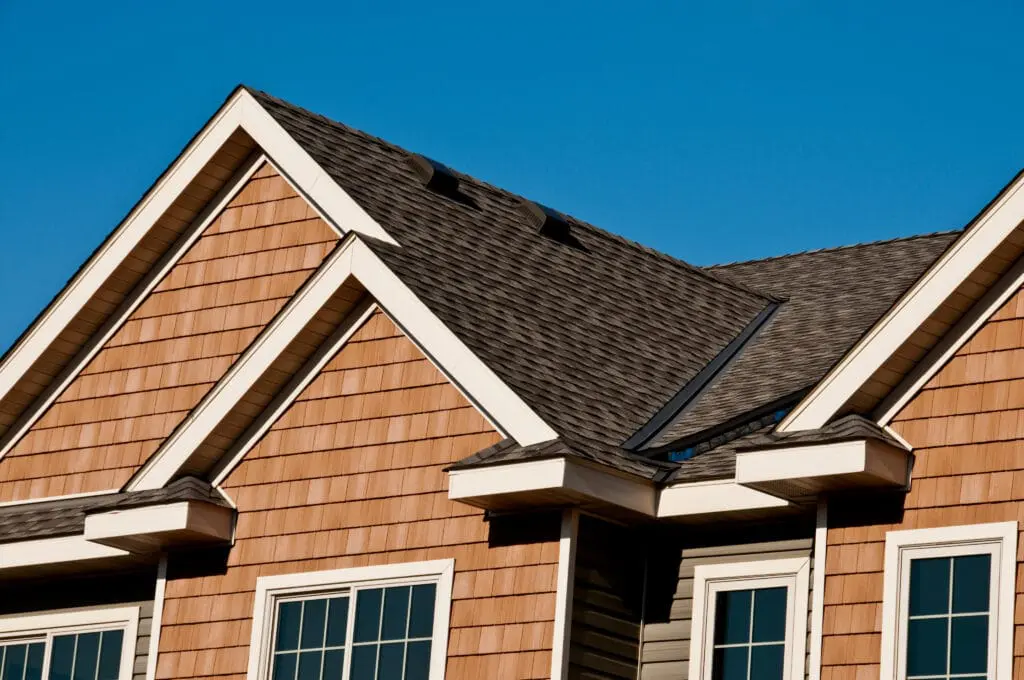
The soffit is the underside of the roof overhang. The fascia is the board along the roof edge where gutters are commonly attached. Both areas can show signs of ongoing moisture problems. Addressing the source of the moisture is just as important as replacing damaged material.
Check for:
- Peeling or failing paint
- Rot, warping, or discoloration
- Water stains around the fascia
- Holes or damaged soffit panels
- Gaps that could allow pests into the attic
5. Attic — Look for Ventilation and Interior Moisture Problems
Inspect your attic with a flashlight if you can safely access it. Stay on secure flooring or designated walkways, and never step between ceiling joists or onto exposed insulation.
Look for:
- Daylight coming through unexpected gaps in the roof deck
- Dark stains or streaks on rafters or roof sheathing
- Wet, matted, or discolored insulation
- Frost or condensation beneath the roof deck
- Musty odors or other signs of excess moisture
Attic moisture doesn’t automatically mean the roof is leaking. Poor ventilation, indoor air leakage, and condensation can also contribute to moisture buildup. The EPA recommends controlling moisture because damp conditions favor mold growth.
6. Interior Warning Signs — What to Check Inside Your Home
Finish your roofing inspection checklist inside your home. Water can travel along rafters and other materials before appearing indoors, so the visible stain may not sit directly below the source.
Watch for:
- Brown or yellow water stains on ceilings
- Peeling paint or bubbling drywall
- Musty odors in upper-floor rooms or closets
- Staining around skylights or the attic hatch
- Sagging or soft areas of the ceiling
A growing stain or sagging ceiling needs professional attention. A roofer can trace the moisture path and determine whether the source is the roof or another part of the home.
What Homeowners Can Check Themselves vs. When to Call a Pro
Checks You Can Safely Do Yourself
- View shingles, gutters, soffits, and fascia from the ground with binoculars
- Check ceilings and upper walls for staining or other moisture signs
- Inspect an accessible attic from secure flooring or walkways
- Look for debris or obvious drainage problems from a safe location
- Photograph visible damage for future reference
When to Call a Licensed Roofing Contractor
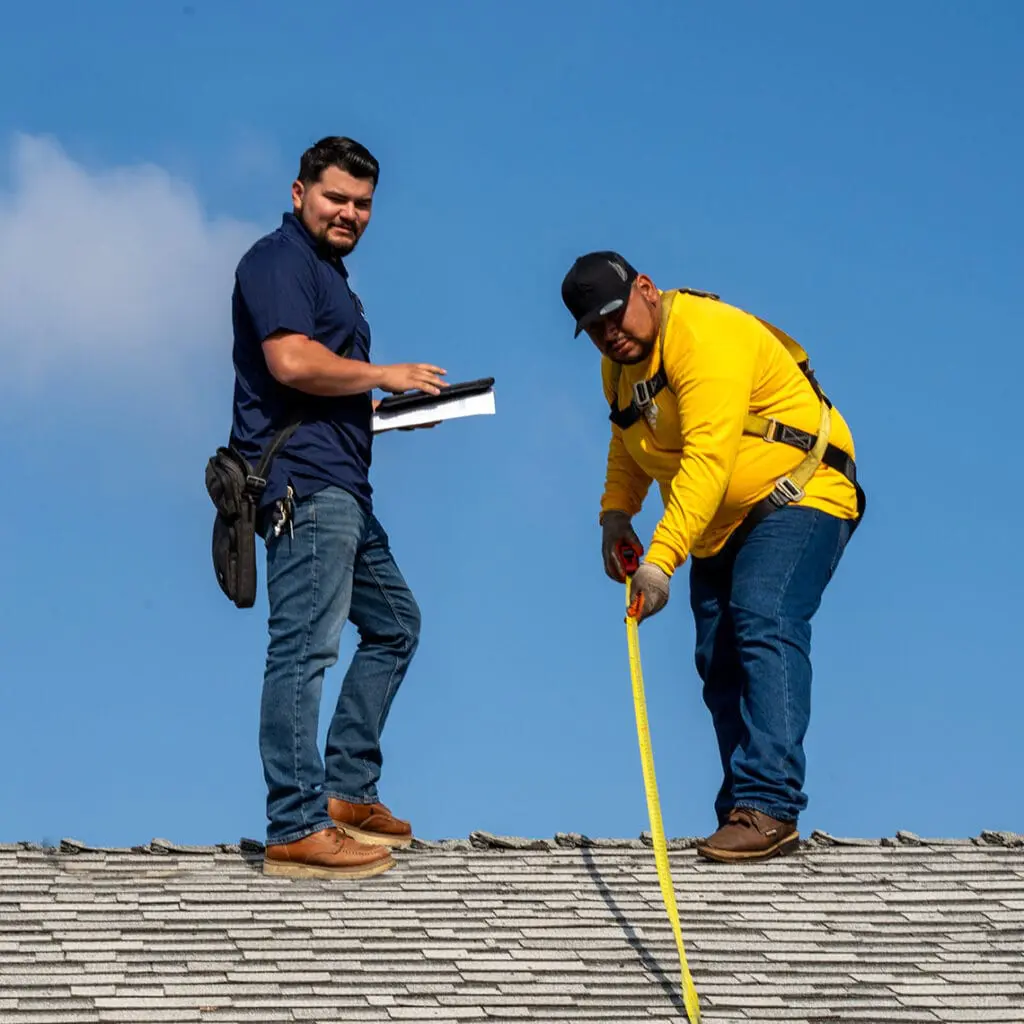
If a check requires climbing onto the roof, reaching a high gutter, or walking across an unfinished attic, leave it to a professional. Schedule a professional inspection when you find an active roof leak, suspected flashing failure, widespread shingle damage, or rot in the decking, rafters, soffits, or fascia.
Bumble Roofing offers professional roof inspections across its service markets. If your checklist reveals something concerning, use our instant-quote tool to get an estimate and schedule next steps.
Common Mistakes Homeowners Make During a Roof Inspection
- Waiting for a visible leak: Water stains are often a late warning sign. Moisture may have already traveled through roofing materials before it shows up on a ceiling or wall.
- Relying only on a quick ground-level glance: Binoculars can help you spot missing shingles, damaged roof edges, and other changes that are difficult to see with the naked eye. Leave areas that require roof access to a professional.
- Skipping the attic: When safely accessible, the attic can reveal staining, condensation, wet insulation, or other moisture problems that may not be visible outside.
- Ignoring the gutters: Granule buildup can signal asphalt shingle wear, while overflow or standing water may indicate drainage problems.
- Assuming every mark is hail damage: Blistering, aging, and other types of shingle deterioration can sometimes resemble impact damage. A professional can evaluate questionable areas and determine the likely cause.
Find a Roofing Problem? Get a Professional Opinion
Your roof inspection checklist can help you spot changes and document potential problems, but you don’t need to diagnose or repair them yourself.
Bumble Roofing can evaluate your roof and recommend the appropriate next step based on our professional findings. If damage can be corrected without replacing the entire roof, our roof repair services can address leaks, damaged shingles, flashing issues, and other roofing problems.
FAQs
How often should a roof be inspected?
Perform spring and fall checks, and inspect after major hail, wind, or tree-related events. Roof age, material, previous damage, and local weather may affect how frequently your roof requires professional attention.
What does a roof inspector look for?
A professional checks shingles, flashing, roof penetrations, gutters, drainage, soffits, fascia, and other accessible components. An inspection may also include attic conditions, signs of moisture, ventilation, and the roof’s overall condition.
Can I inspect my own roof?
Yes. You can inspect visible roofing components from the ground and check accessible attic and interior areas. Don’t walk on the roof or enter areas you cannot reach safely; leave those parts to a trained professional.
How long does a roof inspection take?
How long your roof inspection takes depends on the roof’s size, design, accessibility, material, and condition. A basic homeowner check may take less than an hour, while a detailed professional inspection can take longer.
What are the signs that a roof needs replacing?
Widespread missing, curling, cracking, or deteriorated shingles indicate an aging roof. Repeated leaks, extensive granule loss, damaged flashing, rot, or several problems occurring at once are also reasons to schedule a professional inspection to determine whether roof repair or roof replacement makes more sense.

Find Your Bumble Roofing Location
Find Your Location