
Roof Repair vs. Replacement: How to Know Which One You Need
Roof repair vs replacement is a tough decision when you get conflicting advice. A roofer may recommend a new roof, while your neighbor claims the problem is an easy fix. Ultimately, the right choice depends on more than the leak’s size or your roof’s age.
At Bumble Roofing, we work with homeowners across a wide range of climates and roofing conditions. Our contractors typically look at three things first: how widespread the damage is, how much useful life the roof has left, and whether repairing it still makes financial sense. This guide breaks it down to help you understand the signs of roof repair and replacement and make the smartest decision for your home and budget.
The Short Answer: Repair or Replace?
A roof repair usually makes sense when the damage is limited, and the rest of the roofing system is still in good condition. Replacement is more practical when deterioration affects multiple parts of the roof, or repairs would only buy you a short amount of time.
- Repair the roof when damage is isolated, and the surrounding shingles, decking, flashing, and other components are sound.
- Replace the roof when wear is widespread, structural components are damaged, or the roof is near the end of its expected lifespan.
- Compare long-term value, not just today’s price. A lower repair bill may not save money if another major repair or complete replacement is likely soon.
When Repair Costs Start to Approach Replacement Costs
As repair estimates begin approaching roughly half the cost of replacement, ask yourself how many additional service years that repair is likely to provide.
For example, spending $7,000 to repair an older roof when replacement would cost $14,000 may offer poor long-term value if the remaining roofing system is already deteriorating. But the same ratio could make more sense on a five-year-old roof with damage limited to one section.
How Roof Age Changes the Equation
Three-tab asphalt shingles typically last about 20 years, while architectural shingles may last around 30 years. Metal roofing commonly lasts 40–80 years, and tile can last much longer.
What that means in practice: repairing a 15-year-old metal roof makes much more sense than the same repair on an asphalt roof approaching the end of its expected service life.
Signs You May Need Roof Repair Instead of Replacement
When evaluating roof repair vs replacement, roofing contractors look at whether the damage is confined to one area and whether the rest of the roofing system still has useful life left.
These are the signs that you need roof repair:
- Localized Damage (Storm, Fallen Debris, or Impact)
A small section of shingles damaged by wind, hail, or fallen debris can often be repaired when the surrounding roof and decking remain sound. Schedule a storm-damage roof inspection to determine whether the damage stops at the surface or extends underneath it. - Minor Leaks Without Structural Involvement
One leak caused by failed flashing, a cracked pipe boot, or a missing shingle does not automatically mean the entire roof has failed. Flashing, roof penetrations, and individual damaged shingles are common leak sources that you can often address with targeted roof leak repairs. - Granule Loss on a Mid-Age Roof
Asphalt shingles naturally weather over time, but granule loss deserves closer inspection when bare areas begin appearing. If the problem affects one limited area and nearby shingles, decking, and underlayment remain sound, roof repairs may be enough.
Signs You May Need Full Roof Replacement
Some roofing problems are beyond repair. The more widespread the damage, the stronger the case for replacement.
These are the signs that it’s time to consider roof replacement:
- Widespread Shingle Failure or Cupping
Cupping occurs when shingle edges turn upward, while clawing describes shingles with raised centers and relatively flat edges. When these problems appear across large sections of the roof, replacing individual shingles may only postpone more repairs. - Sagging Roof Deck or Structural Damage
A sagging roofline needs prompt evaluation because it may involve damaged decking, framing, or other structural components. A sag doesn’t automatically mean you need a new roof, but extensive deterioration may require full roof replacement. - Multiple Layers Already Present (Overlay Limit)
Building codes may restrict installing another roof covering over existing materials. Check the applicable code and local amendments before deciding whether another layer is permitted or whether you must remove the existing roofing.
Repair vs. Replacement Cost: What to Expect
Roof repair usually costs less upfront, but price alone doesn’t determine which option provides better value. Your roof’s size, material selection, accessibility, damage, labor, and local market conditions can all affect your estimate.
Rather than relying on a national price range that may not reflect your home or market, compare the scope of each option:
| Roof Repair | Full Roof Replacement |
|---|---|
| Addresses a specific damaged area | Replaces the roofing system across the home |
| Lower upfront investment in most cases | Larger upfront investment |
| Best value when the remaining roof is sound | Better long-term value when deterioration is widespread |
| May not make sense if major repairs will soon be needed elsewhere | Provides a new roofing system rather than extending an aging one |
When Insurance Covers the Cost
Homeowners insurance may cover roof repairs or replacement when damage results from a covered event such as wind, hail, or a fallen tree. Normal aging and wear are generally not covered.
Coverage ultimately depends on your policy, exclusions, deductible, roof condition, cause of loss, and the insurer’s assessment. If your roof was damaged in a storm, document the condition and learn how to navigate a roof insurance claim before assuming the repairs or replacement are covered.
Financing Options When Replacement Is the Better Long-Term Option
If replacement is the better long-term option, delaying the work because of the upfront investment can allow leaks and moisture damage to spread. Roof replacement financing options can help qualified homeowners spread the expense over time instead of postponing necessary work.
How a Contractor Actually Makes This Decision
A trustworthy roofer should be able to show you why repair or replacement makes sense, and their recommendation should reflect the condition of the entire roofing system.
The Inspection Points Contractors Check First
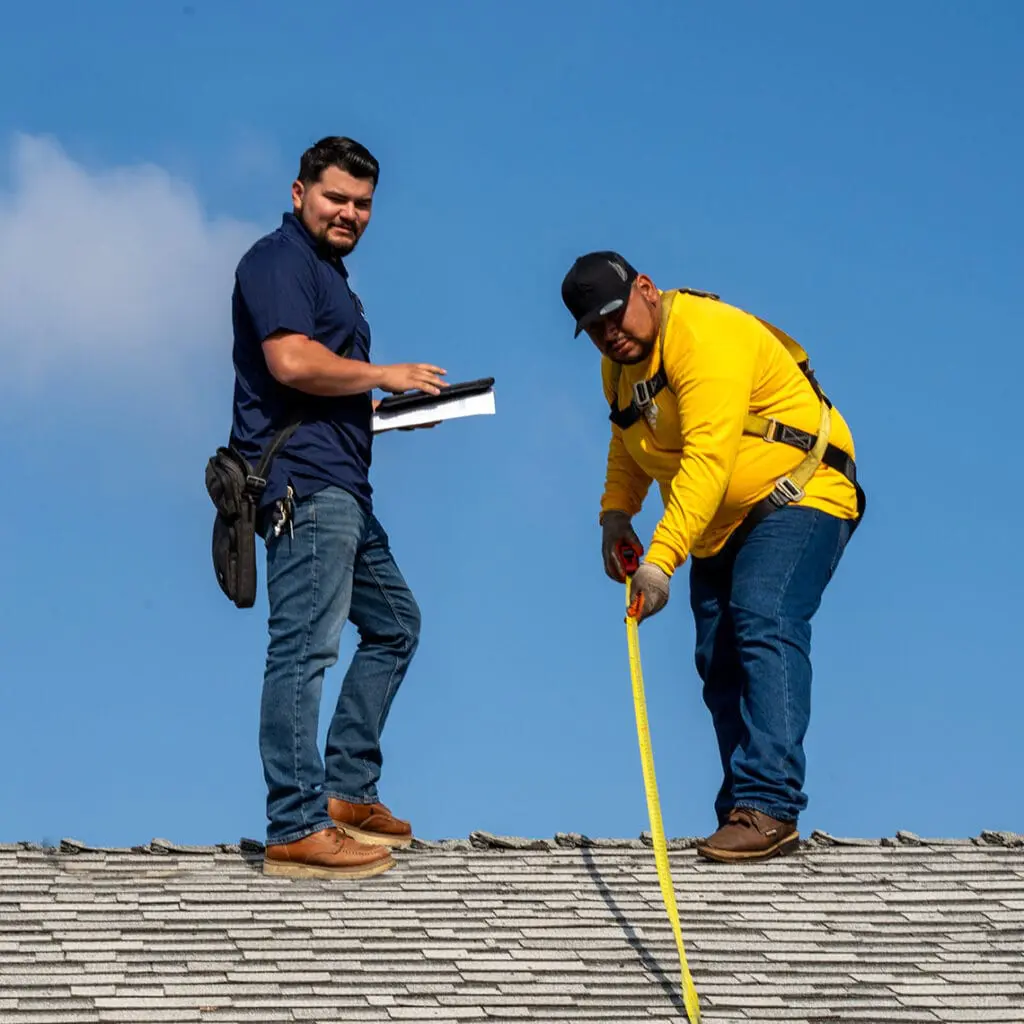
Before recommending roof repair vs replacement, contractors typically evaluate multiple parts of the system:
- Decking: Soft, deteriorated, or damaged decking can indicate problems beneath the visible roofing material.
- Flashing: Failed flashing around chimneys, valleys, skylights, and roof penetrations can cause leaks even when the surrounding roof remains healthy.
- Ridge caps: Damaged ridge caps can sometimes be replaced without replacing an otherwise sound roof.
- Attic conditions: Moisture stains, wet insulation, or other evidence of water intrusion can help identify whether a problem extends beyond one leak point.
- Overall roof condition: Widespread cracking, curling, missing shingles, brittleness, and granule loss help contractors estimate how much useful life remains.
When To Consider a Second Opinion
Be cautious if a contractor recommends replacement without showing you the damage or explaining why repair is not practical. You should receive specific findings about your roof’s condition and what those findings mean.
The same standard applies to repair recommendations. Ask how much useful life the surrounding roof likely has and whether the proposed repair addresses the actual source of the problem. A trustworthy contractor will recommend the best option for your situation, even when that option is a smaller repair instead of a more expensive alternative.
Still Not Sure Whether to Repair or Replace Your Roof?
You shouldn’t have to guess whether your roof needs a targeted repair or a full replacement. Bumble Roofing takes the guesswork out of the roof repair vs replacement debate. We will assess the damage, explain our findings, and help you compare your options based on your roof’s condition.
We serve homeowners in markets including Los Angeles, Dallas, Atlanta, Colorado Springs, Houston, The Woodlands, Charlotte, and other communities.
Get a roof estimate and find out which option makes sense for your home.
Frequently Asked Questions
How do I know if my roof needs repair or replacement?
Consider your roof’s age, the extent of the damage, the condition beneath the shingles, repair cost, and its remaining useful life. Younger roofs with isolated damage generally favor repair; older roofs with widespread deterioration typically favor replacement.
Is it cheaper to repair or replace a roof?
Repairs usually cost less upfront. However, replacement can provide better long-term value when repeated repairs would put more money into a roof that is already nearing the end of its useful life.
Can I repair just part of my roof?
Yes. You can often repair localized shingles, flashing, or other damaged areas when the surrounding roofing system and decking remain sound.
Does homeowners insurance cover roof replacement?
Homeowners insurance may cover replacement after a covered event such as hail, wind, or a fallen tree. Coverage depends on your policy, exclusions, deductible, cause of damage, roof condition, and insurer’s determination.
How long does a roof repair last?
It depends on the repair, materials, installation quality, and condition of the surrounding roof. A properly completed repair on a sound roof generally offers more useful life than patching one with widespread deterioration.
Find Your Bumble Roofing Location
Find Your Location