

Roof Leaks in Heavy Rain: Causes, Immediate Steps & Repair Options
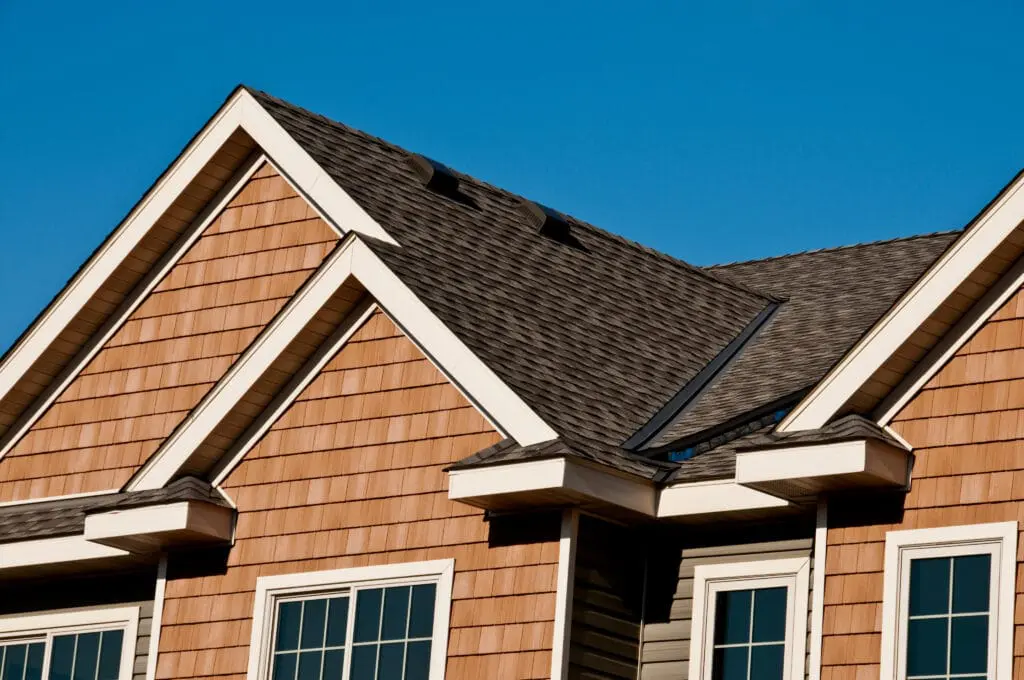
Roof leaks in heavy rain often signal that part of your roofing system is beginning to fail. Bumble Roofing works across climates ranging from the rainy Pacific Northwest to storm-prone areas in Texas and Colorado, so we know firsthand the importance of catching these leaks early.
Below, we’ll explain why roofs leak during heavy rain, the six common causes, what to do when water enters your home, and when repair or replacement may be necessary.
Why Your Roof Leaks During Heavy Rain (But Not Light Rain)
Light rain creates less water flow, while a strong storm sends more water volume across the roof at once. Your roof may stay dry during a light shower but leak once rainfall becomes heavier. Wind can also push rain sideways beneath shingles or into small openings around flashing and roof penetrations.
The Difference Between a New Leak and a Revealed Leak
Heavy rain often reveals existing weak points rather than creating new ones. A cracked shingle, loose flashing, or an aging seal may shed light rain but allow water through when the roofing system is under greater stress.
The spot where water appears inside may not be directly below the roof opening. Water can travel along roof decking or rafters before dripping onto insulation or the ceiling.
How Roof Pitch Affects Rain Leak Risk
Steeper roofs generally move water away faster. Low-slope and flat roofs depend more on intact membranes and clear drainage systems, so standing water can quickly expose small defects along your roofing system.
6 Common Causes of Roof Leaks in Heavy Rain
When your roof leaks in heavy rain, the source is often a damaged or aging part of the roofing system. Here are the 6 most common problems roofers look for during an inspection.
1. Damaged or Missing Shingles
Asphalt shingles commonly last about 20–30 years, although weather, installation, and maintenance affect their lifespan. Cracked, curled, or missing shingles can expose the underlayment below. During heavy rain, water may get past this backup barrier and reach the roof decking.
2. Failed or Improperly Installed Flashing
Flashing seals vulnerable areas around chimneys, skylights, valleys, vents, and roof-to-wall connections. If it corrodes, separates, or loses its seal, wind-driven rain can enter through the opening. Step flashing along walls and dormers can also fail when individual pieces become damaged or displaced.
3. Clogged or Damaged Gutters
Leaves and debris prevent gutters from moving stormwater away from the roof. During a downpour, backed-up water may reach the fascia, soffit, or roof edge. Inside, moisture may appear near exterior walls or eaves rather than toward the roof’s center.
4. Cracked or Dried-Out Pipe Boots and Vent Seals
Plumbing vents and other roof penetrations need watertight seals. Even a small opening around a pipe can let significant water enter during a strong storm.
5. Deteriorated or Missing Underlayment
Underlayment provides a secondary layer of protection beneath roofing materials. If it tears or deteriorates, water that gets beneath the shingles is more prone to reach the decking.
6. Skylight Seal Failure
Heavy rain can expose small gaps around the skylights that previously went unnoticed. Water staining around the skylight opening indicates you should inspect the surrounding roofing system.
Immediate Steps to Take When Your Roof Is Leaking in Heavy Rain
If water is entering your home, focus on limiting damage safely. Do not climb onto a wet roof during or immediately after a storm.
Step 1 — Protect the Interior
Place buckets beneath active drips and move electronics, documents, furniture, and other valuables away from the affected area. Use towels or plastic sheeting to help protect floors and belongings.
Step 2 — Check the Attic Only If It Is Safe
Check your attic for wet insulation, dripping roof decking, or water trails along rafters. Follow visible moisture upward when possible because the roof entry point may be higher than the ceiling stain.
Step 3 — Don’t Attempt a Roof Repair During the Storm
Stay off the roof until conditions are safe. Temporary materials such as roofing tape, roofing cement, or a tarp may limit water intrusion in some situations, but they do not repair the underlying problem. For more information, review the 5 ways to repair a leaking roof.
Step 4 — Document Everything Before Cleanup
Photograph visible water damage, ceiling stains, and damaged belongings when it is safe to do so and before you’ve cleaned up. Photos and video records can help document losses if you need to file an insurance claim.
How Roof Leaks Are Repaired
A roofer may replace damaged shingles or flashing, install a new pipe boot, reseal a skylight, or repair another failed component. The right repair depends on where water is entering.
Not sure where water is entering? A roof health check-up can help you identify the source before additional moisture causes more damage.
When Full Roof Replacement Is the Right Answer
Temporary patches can buy time, but widespread damage, deteriorated decking, or an aging roof may make replacement more practical than repeated repairs. Schedule a professional inspection to determine the best option.
Flat Roof and Metal Roof Leaks in Heavy Rain
Flat Roof Leaks in Heavy Rain
Flat roof leaks in heavy rain often involve damaged membrane seams or blocked drainage. Ponding water can expose weaknesses around seams, drains, and other penetrations. You may be able to patch small membrane failures, but larger problems may require professional membrane repair or recoating.
Metal Roof Leaks in Heavy Rain
Metal roof leaks in heavy rain commonly develop around loose fasteners, panel seams, flashing, or roof penetrations. Finding and resealing the entry point is especially important because water can travel before it appears indoors.
FAQ Section
Why does my roof only leak when it rains hard?
Roof leaks are more common in heavy rain than in drizzle because of the moisture volume and storm intensity. Light rain produces low water volume that most damaged roofs can still shed. Heavy rain creates enough volume and lateral, wind-driven water to push through small gaps that don’t show up during a drizzle.
Can homeowners insurance cover a roof leak?
Coverage depends on the cause and policy. Sudden damage from a covered storm event may qualify, while wear, poor maintenance, and flooding are generally treated differently. Check your policy and insurer for details.
How do I find where my roof is leaking?
Inspect your attic with a flashlight during or immediately after heavy rain. Look for active drips, wet insulation, or water trails on rafters and follow the trail upward toward the peak to find the entry point. The ceiling stain inside is almost never directly below where water enters the roof.
How much does it cost to repair a roof leak?
Most professional roof repairs vary depending on the scope of damage and your location. Emergency after-storm rates can be higher. A roofer should inspect first to confirm the entry point before providing a repair quote.

Find Your Bumble Roofing Location
Find Your Location