

How to Spot Hail Damage on Your Roof (Before It Gets Worse)
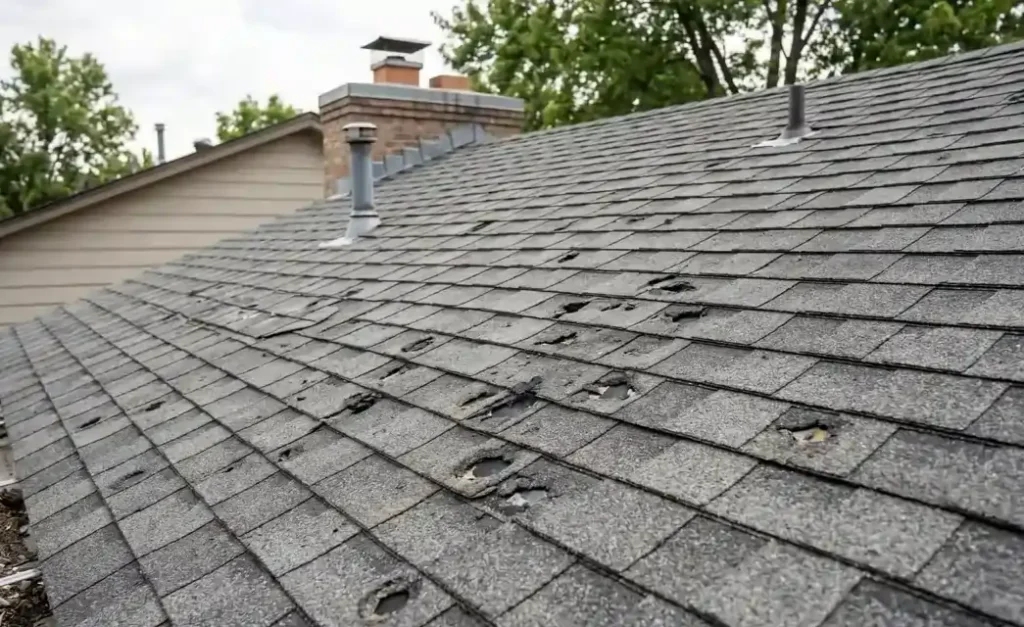
Hailstorms can cause serious roof damage long before leaks or missing shingles become visible. According to the Insurance Information Institute, hail damage costs homeowners billions in repairs every year, and many issues go unnoticed until water damage appears inside the home.
Knowing the early signs of hail damage on roof surfaces can help you avoid larger repair bills and premature roof replacement.
At Bumble Roofing, we’ve inspected storm-damaged roofs across hail-prone markets like Denver, Dallas, and Kansas City. In this guide, we explain how to spot hail damage on the roof, how to document the damage for a smooth insurance claim, and how a professional roofing company can help you plan for and repair hailstorm damage.
What Hail Damage Actually Looks Like on Different Roof Materials
A question we commonly get from homeowners is, “What does hail damage look like on roof surfaces?” The answer depends on the size and severity of the hail and your home’s roofing material.
In general:
Pea-sized hail usually causes cosmetic wear
Quarter-sized hail can damage asphalt shingles
Golf ball-sized hail or larger has the potential to cause severe structural damage
Let’s break down the signs of hail damage on the roof for some of the most popular roofing materials.
Asphalt Shingle Damage Patterns
Normal aging typically affects shingles evenly over time, while hail impacts create random, scattered patterns across the roof.
What does hail damage look like on a shingle roof?
- Random black or shiny impact marks
- Granule loss, exposing the asphalt mat beneath
- Cracked or split shingles
- Soft “bruised” areas that feel spongy
- Dented shingle edges
Metal Roofing Hail Impact Signs
Metal roofs are extremely durable, but hail can still leave visible damage. Even small dents may affect the roof’s protective coating over time, increasing the risk of corrosion or water intrusion.
What does hail damage look like on a metal roof?
- Circular dents across panels
- Paint chipping or scratched coatings
- Loose seams or fasteners
- Punctures from large hailstones
Tile and Slate Damage Indicators
Tile and slate roofing materials are more resistant to minor hail, but larger storms can still cause serious breakage.
What does hail damage look like on tile and slate roofs?
- Cracked or fractured tiles
- Chipped corners and edges
- Displaced roofing pieces
- Broken sections near the roof valleys or flashing
The 3-Step Process to Safely Inspect Your Roof for Hail Damage
If you want to know how to identify hail damage on a roof safely, the most important rule is simple: start from the ground. Many homeowners get injured while inspecting storm damage, but a safe, systematic inspection gives you better information while reducing unnecessary risk.
Step 1 – Ground-Level Visual Assessment
Start by walking around your property and looking for visible signs of damage.
Check for:
- Missing shingles
- Bent flashing
- Dented gutters or downspouts
- Roofing debris around the yard
- Dark impact spots visible from the ground
Tip: Use binoculars to inspect suspicious areas without climbing onto the roof.
Step 2 – Check Your Property’s “Hail Indicators”
One of the easiest ways to spot hail damage on a roof is by checking nearby surfaces first. Hail strong enough to damage roofing materials usually leaves signs on other parts of your property. Look for dents, chipped paint, or impact marks on your:
- Air conditioning units
- Mailboxes
- Window screens
- Deck railings
- Patio furniture
- Vehicles parked outside
Step 3 – Document Everything With Photos
If you suspect storm damage on top of your home, start documenting it immediately to support your hail damage roof insurance claim. Take clear photos of:
- Roof damage visible from the ground
- Damaged gutters or flashing
- Hail accumulation
- Exterior property damage
- Interior water stains if present
Tip: Use time-stamped photos and short videos to help capture the extent and timing of the damage.
When DIY Inspection Isn’t Enough (Red Flags That Require Professional Assessment)
Knowing how to tell if you have hail damage on the roof from the ground only part of the process. The bigger concern is determining whether the damage is cosmetic or structural. If it’s structural, you may need to schedule a professional assessment right away.
Immediate Safety Concerns
If your home is actively leaking after a storm, emergency roof repair services can help stabilize the situation until permanent repairs are completed. Call a roofing professional immediately if you notice:
- Sagging roof areas
- Active leaks
- Exposed roof decking
- Large sections of missing shingles
- Water entering attic spaces
In these cases, temporary protection may be needed to prevent additional interior damage.
Insurance Claim Requirements
Many insurance companies require professional inspection reports before approving larger storm damage claims, and waiting too long to report damage can complicate your claim later.
Documentation from a professional roofing company can support your insurance claim with:
- Detailed damage photos
- Roofing material assessments
- Repair estimates
- Moisture inspection findings
- Structural impact evaluations
Structural vs Cosmetic Damage Assessment
Cosmetic hail damage can sometimes hide deeper structural issues.
For example:
- Minor dents may only affect appearance
- Granule loss can accelerate roof aging
- Cracks may allow future moisture intrusion
- Hidden underlayment damage may not appear immediately
A professional roof inspection can accurately evaluate the extent of the damage and help you determine whether you need to repair or replace your roof.
Common Mistakes Homeowners Make When Identifying Hail Damage
Many homeowners either overlook real damage or mistake normal roof aging for storm impact. Common mistakes include:
Confusing Age-Related Damage With Hail Impact
Understanding the types of roof damage can help homeowners distinguish between storm-related impacts and age-related issues. Normal roof wear usually appears evenly over time, especially near roof edges and areas with heavy sun exposure.
Hail damage, on the other hand, tends to appear:
- Randomly scattered
- Circular or bruised
- Concentrated on one side of the home, depending on the storm direction
Professional inspectors are trained to safely and accurately identify these differences and recommend an appropriate roofing solution.
Missing Hidden Damage Areas
Many homeowners focus only on shingles and overlook damage to gutters, flashing, roof vents, skylights, and chimney seals. These smaller roofing components are often the first areas impacted by hail and can cause leaks even when the main roofing surface appears undamaged.
Timing Mistakes That Cost Money
Waiting too long to inspect hail damage can lead to worsening leaks, mold growth, and more expensive structural repairs. Delayed inspections may also complicate insurance claims, since many providers require prompt reporting and documentation after severe storms.
What to Do Immediately After Discovering Hail Damage
If you discover hail damage on your roof, acting quickly can help prevent larger structural problems and simplify the insurance process.
Emergency Protection Measures
If water is coming into your home, large exposed areas may require temporary repairs before permanent restoration begins:
- Place buckets under active leaks
- Move valuables away from damaged areas
- Use tarps only if it is safe to do so
- Avoid walking on wet or damaged roofing materials
Insurance Claim Process Initiation
After documenting the damage:
- Contact your insurance company
- Provide photos and storm details
- Schedule a professional roof inspection
- Keep records of all communication and repair estimates
Tip: Avoid accepting the first settlement offer before a contractor fully evaluates the damage. Hidden issues beneath shingles or underlayment are often missed during initial inspections.
Professional Inspection and Repair Planning
When choosing a roofing contractor after a storm:
- Verify licensing and insurance
- Avoid high-pressure “storm chaser” sales tactics
- Ask for written inspection findings
- Confirm local experience with hail damage repairs=
If severe damage is found, take a few minutes to review the roof replacement process for timelines, insurance coordination, and repair expectations.
Schedule a Professional Roof Inspection Now
If you suspect hail damage on roof surfaces after a storm, a professional roof inspection can help minimize repair costs and maximize long-term roof performance.
At Bumble Roofing, our teams help homeowners across hail-prone markets navigate inspections, repairs, and storm recovery with safety and transparency first. Schedule your inspection today.
FAQ
How big does hail need to be to damage my roof?
Hail as small as 1 inch in diameter, about the size of a quarter, can damage asphalt shingles. Larger hailstones increase the likelihood of cracks, dents, and structural damage to the roof.
Can I inspect my roof myself, or do I need a professional?
You can safely perform a basic ground-level inspection, but a professional assessment is strongly recommended for insurance claims and to identify hidden structural damage. Never walk on a potentially damaged roof after a storm.
How long do I have to file an insurance claim for hail damage?
Most insurance policies require claims to be filed within one year, though deadlines vary. Reporting damage as soon as possible is always the safest approach.
What’s the difference between hail damage and normal roof wear?
Hail damage on roof surfaces usually appears as random impact marks, bruising, or granule loss, while normal aging creates more uniform wear patterns across the roof.
Can hail damage cause roof leaks later?
Yes. Even small cracks or granule loss can allow moisture to leak inside your property over time. Some leaks do not appear until weeks or months after the storm.
Should I accept the first insurance settlement offer for hail damage?
Generally, no. Schedule a professional roof inspection before accepting a settlement. Initial estimates may not account for hidden structural issues or damage to the underlayment.

Find Your Bumble Roofing Location
Find Your Location