
Can You Finance a New Roof? A Complete Guide to Roof Financing Options in 2026

Roof replacement costs vary depending on your home’s size, roofing materials, and local labor costs. When unexpected storm damage or other emergency repairs arise, many homeowners simply don’t have the full amount readily available.
Roof financing makes roof replacement possible without paying the entire cost upfront. You can finance a new roof for your house through personal loans, home equity financing, contractor financing programs, and government-backed home improvement loans.
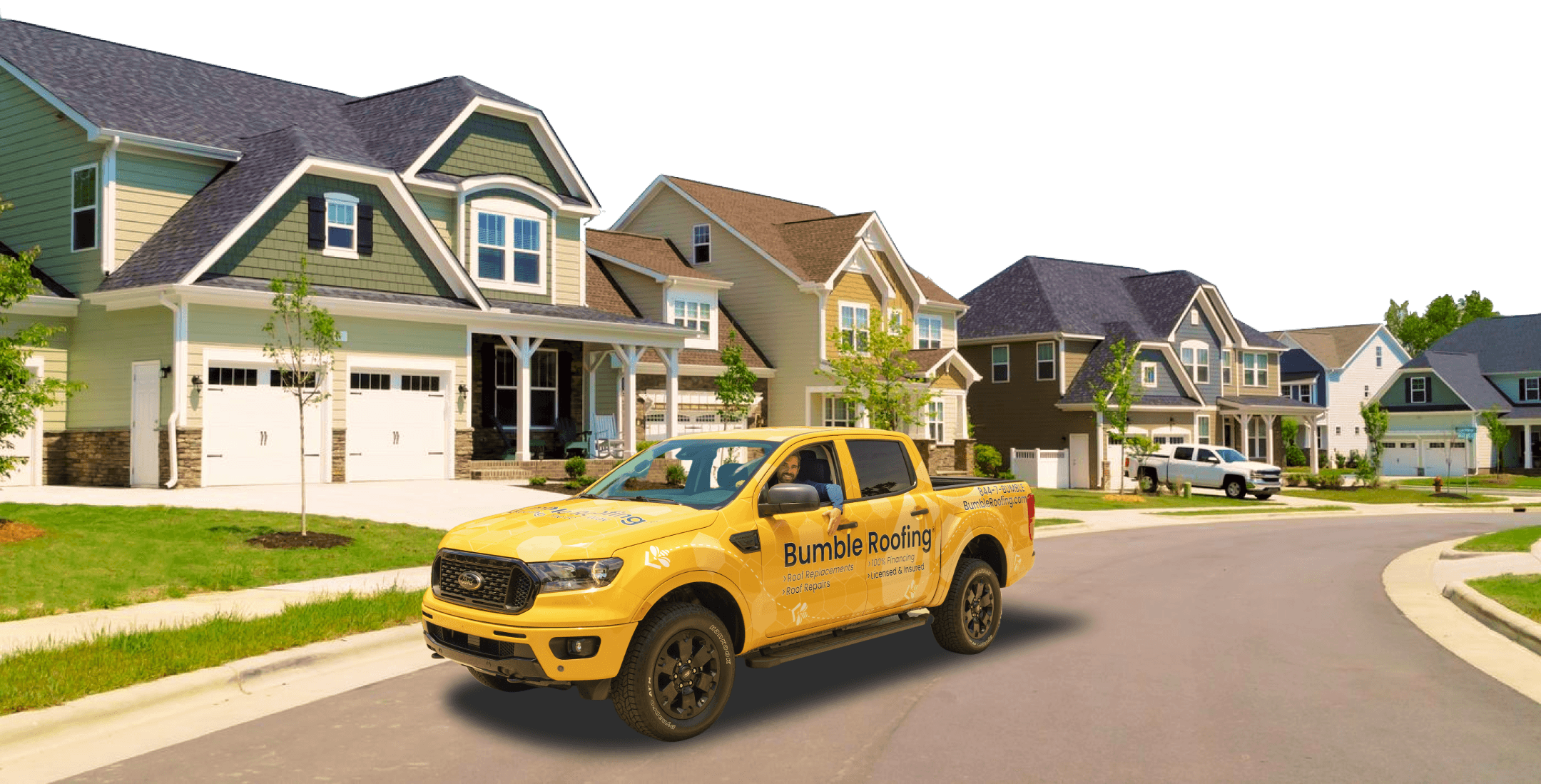
Bumble Roofing helps homeowners across multiple markets navigate financing options for roof replacement projects and emergency repairs.
In this guide, we explain:
- How roof financing works
- The most common roof financing options available
- Typical loan terms and interest rates
- Qualification requirements
- How to compare contractor financing programs
- Tips for finding roofing companies that offer financing
What is Roof Financing and How Does it Work?
Roof financing is a type of home improvement funding that allows homeowners to spread the cost of a roofing project over monthly payments instead of paying the full amount upfront.
Financing can be set up for roof replacement projects, major repairs, insurance claim gaps, or emergency roofing needs. Depending on the financing option you choose, repayment terms range from a few months to several decades.
Types of Roof Financing Available
Roof financing comes with different interest rates, qualification requirements, and repayment terms.
Roof financing options include:
- Personal loans
- Home equity loans
- Home equity lines of credit (HELOCs)
- Contractor financing programs
- State and local home improvement financing programs
Who Typically Uses Roof Financing?
Homeowners
Roof financing is often used by homeowners seeking financial assistance after severe weather events or when their old roof has aged beyond repair. Financing can also be useful when insurance covers part of a project but leaves the homeowner responsible for deductibles or uncovered expenses.
Commercial Property Owners
Commercial roofing projects also benefit from financing after unexpected roof failures or when businesses want to make energy-efficient upgrades.
Roof Financing Options Every Homeowner Should Know
The best roof financing choice depends on your budget, credit profile, and how quickly you need funding.
Traditional Loan Options (Personal Loans, Home Equity)
Personal Loans
Personal loans are unsecured loans that don’t require home equity as collateral.
Pros:
Fast approval, often within 24–48 hours
No home equity required
Fixed monthly payments
Cons:
Higher interest rates than secured loans
Shorter repayment terms
Home Equity Loans and HELOCs
Homeowners with available equity may qualify for a home equity loan or home equity line of credit (HELOC).
Pros:
Lower interest rates
Longer repayment terms
Higher borrowing limits
Cons:
Your home serves as collateral
Approval can take several weeks
Contractor Financing Programs
Many reputable roofing companies that finance projects partner with third-party lenders to offer convenient financing directly through the contractor.
Benefits often include:
- Quick online applications
- Promotional financing offers
- Deferred payment options
- Potential 0% APR promotions for qualified borrowers
Government-Backed Financing Programs
Some homeowners may qualify for government-supported renovation financing, such as the FHA 203(k) program, which allows eligible borrowers to finance qualifying roofing work into a mortgage loan. Some states offer additional energy-efficiency financing programs for roofing systems that improve a home’s energy performance.
How Long Can You Finance a New Roof? Understanding Terms and Rates
Most roof replacement financing terms range from 1 to 30 years, depending on the method you choose.
Short-Term Financing (1-7 years)
Short-term financing generally results in higher monthly payments but lower overall interest costs.
This option may make sense for homeowners who:
- Have strong income stability
- Want to pay off debt quickly
- Qualify for promotional contractor financing
- Need unexpected funding for emergency roof repair
Long-Term Financing (10-30 years)
Longer financing terms reduce monthly payments but increase total interest paid over the life of the loan.
These options are often used when:
- Project costs are substantial
- Homeowners want lower monthly obligations
- Home equity financing is available
Tip: Before choosing a long-term financing option, compare both the monthly payment and the total repayment amount to understand the true cost of borrowing.
How to Qualify for Roof Financing
Most lenders’ and roofing contractors’ financing programs evaluate several factors before application approval.
Credit Score Requirements by Financing Type
While requirements vary by lender, higher credit scores typically result in lower interest rates and better financing terms. General guidelines include:
- Contractor financing: Often 580–620+ credit score
- Personal loans: Typically 600–700+
- Home equity loans and HELOCs: Usually 620–680+
Required Documentation and Application Process
To improve your approval odds, pay down existing debt, correct errors on your credit report, and compare multiple financing options before applying. Most financing applications require:
- Proof of income
- Government-issued identification
- Credit check authorization
- Copy of the roofing estimate
- Property information for home equity products
Finding Roofing Companies That Offer Financing
If you’re wondering if you can finance a new roof and exploring contractor financing options, it’s important to choose a team that understands your budget and timeline.
Questions to Ask Roofing Contractors About Financing
When evaluating roofing companies that finance, ask them:
- “What interest rates are available?”
- “Are there promotional financing offers?”
- “Are there application or origination fees?”
- “Are there prepayment penalties?”
- “How quickly can funding be approved?”
Tip: If your roofing project involves weather-related damage, ask how financing storm damage roof services factors into your insurance claim.
Evaluating Contractor Financing vs. Bank Loans
Every situation is different, but contractor financing often offers faster approvals and greater convenience, while banks may offer lower rates for highly qualified borrowers.
FAQ
Can you finance a new roof with bad credit?
Yes. Some contractor financing programs and secured loan products may be available to borrowers with credit scores as low as 580–620, although rates may be higher.
How much down payment is required to finance a roof?
Many roof payment plans require no down payment. However, some financing products may include closing costs or fees.
Is it better to finance a roof or pay cash?
Paying cash eliminates interest costs. Financing makes sense if you need to preserve savings, address urgent roofing issues, or qualify for low promotional rates.
How quickly can roof financing be approved?
Contractor financing and personal loans may be approved within 24–48 hours. Home equity financing often takes several weeks.
Do roofing companies offer 0% financing?
Some roofing companies with financing partnerships offer promotional periods at 0% APR for qualified borrowers. Always review the terms carefully to understand when standard interest rates may apply.
Explore Your Roof Financing Options
If you’re planning to finance a new roof, Bumble Roofing is here to help. Contact us about financing and our team will provide a detailed roofing estimate, explain available financing options, and help you make informed home improvement decisions.
Find Your Bumble Roofing Location
Find Your Location