

Metal Roof vs. Shingles: Which Is Right for Colorado Springs?
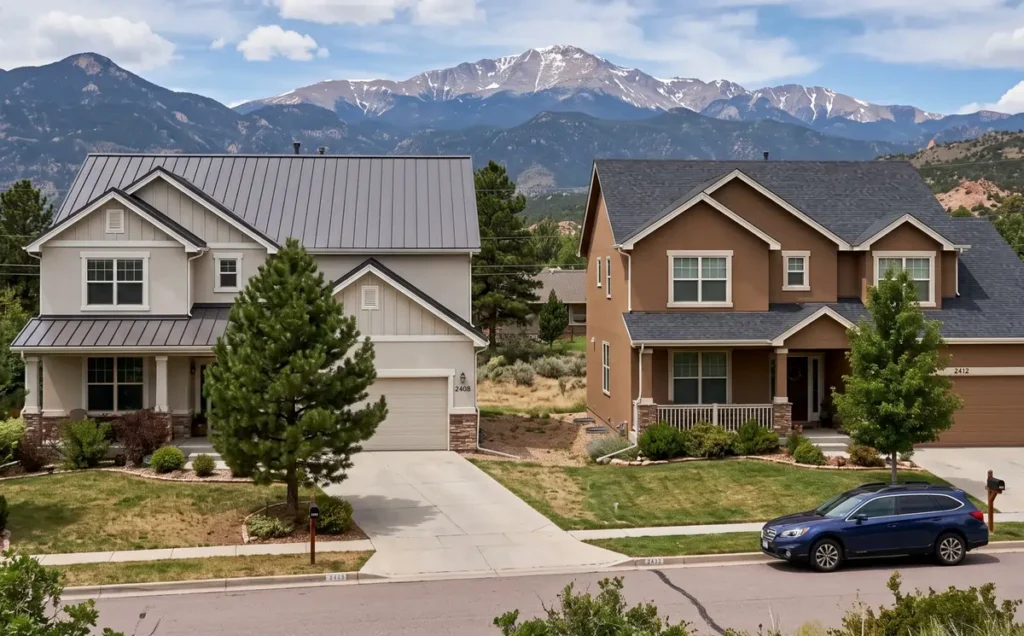
Homeowners often face the same question after a hailstorm or when their roof reaches the end of its lifespan: “Should I choose a metal roof or asphalt shingles?”
Metal roof vs shingles is an important debate. Especially in Colorado Springs, where your roofing material must withstand intense sun exposure, frequent hail, heavy snow, and dramatic temperature swings while fitting within your budget and long-term goals.
In this guide, we break down the differences between shingles and metal roofing. We’ll compare their cost, lifespan, weather performance, maintenance requirements, and overall value to help you determine which option makes the most sense for your home.
What’s the Difference Between a Metal Roof and Asphalt Shingles?
Shingles vs Metal Roof
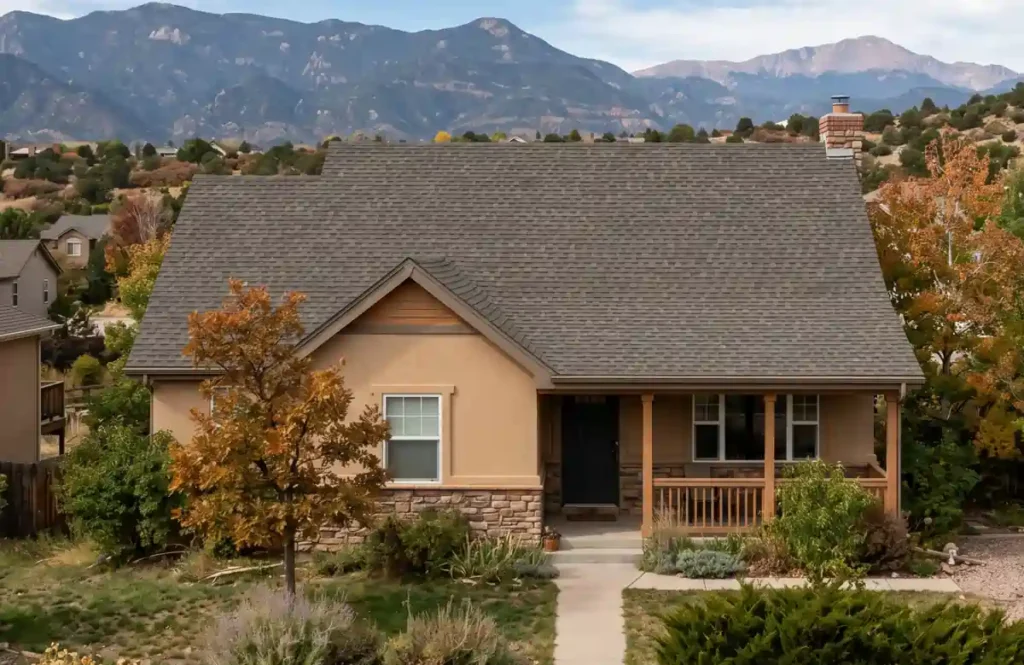
- An asphalt shingle roof features layered shingles installed in overlapping rows across the roof deck. Most modern roof replacements use either architectural shingles or Class 4 impact-resistant shingles rather than 3-tab products.
- A metal roof features steel or aluminum panels that create a durable, weather-resistant roofing system. The two most common styles are standing-seam metal roofing and exposed-fastener metal roofing.
How Asphalt Shingles Are Made and Why It Matters for Colorado
Modern architectural shingles use a fiberglass mat coated with asphalt and protective ceramic granules. Those granules help shield the roof from UV exposure and weather damage.
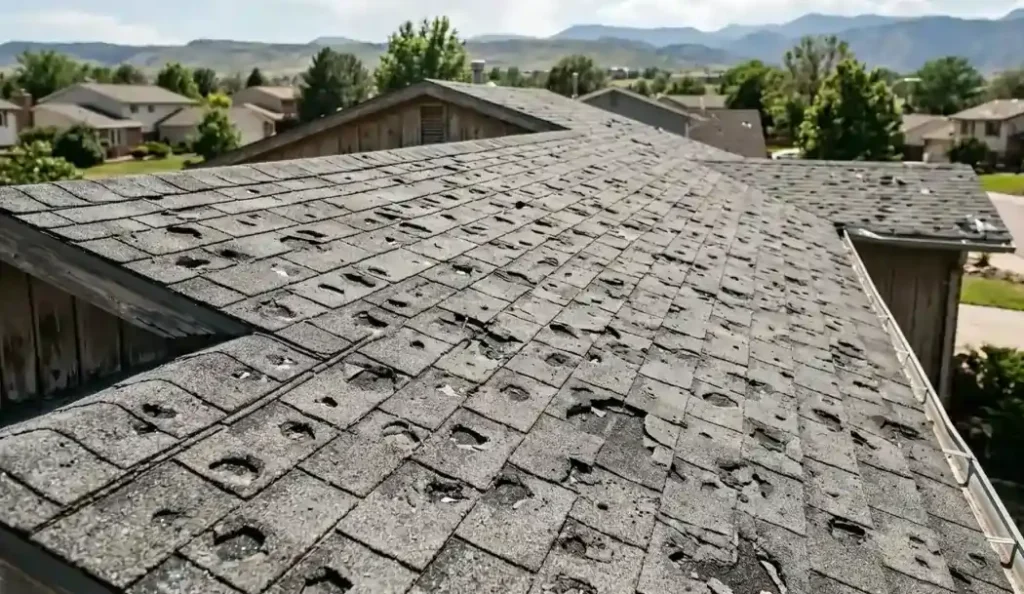
Colorado Springs hailstorms can knock granules loose, exposing the underlying asphalt and accelerating wear over time. Class 4 impact-resistant shingles are designed to better withstand hail impacts. Many products incorporate SBS-modified asphalt, which adds flexibility and improves impact resistance.
How Metal Roofing Is Made and What Types Are Available in Colorado Springs
Galvalume-coated steel roofing is one of the most common residential metal roofing systems in Colorado Springs. This protective coating helps resist corrosion and withstand Colorado’s intense UV exposure.
Metal panel roofs typically come in 29-, 26-, and 24-gauge thicknesses. Thinner gauges are typically less expensive, but thicker gauges last longer. 26-gauge and higher performs best in Colorado’s hail-prone regions.
Standing-Seam vs Exposed-Fastener Metal Roofing
- Standing-seam roofing uses concealed fasteners and interlocking panels. It offers superior weather resistance and lower maintenance but comes at a higher initial cost.
- Exposed-fastener systems use visible screws to secure panels to the roof structure. They cost less upfront but typically require periodic inspections and maintenance as fasteners expand and contract during Colorado’s freeze-thaw cycles.
Metal Roof vs. Shingles Cost in Colorado Springs
The cost difference between a metal roof and asphalt shingles in Colorado Springs is significant upfront. But the gap narrows considerably over time.
How Much Does a Metal Roof Cost in Colorado Springs?
A typical residential standing-seam metal roof often costs significantly more than asphalt shingles due to material costs and the specialized labor required for installation. Roof complexity, pitch, tear-off requirements, and panel type all influence final pricing.
Homeowners who plan to remain in their homes long-term often find that metal roofing’s durability and lifespan help offset the higher initial expense.
How Much Do Asphalt Shingles Cost in Colorado Springs?
Architectural shingles remain the most affordable roofing option in Colorado Springs. Even premium Class 4 impact-resistant shingles typically cost less than a standing seam metal roof, making them especially attractive for homeowners working within a tighter budget or preparing to sell their property in the next decade.
Because Colorado experiences frequent hail events, many homeowners choose to upgrade from standard architectural shingles to Class 4 products when replacing their roofs.
Which Roof Type Has a Better Long-Term Cost Per Year?
It’s important to look beyond the installation price when comparing metal roof vs shingles cost.
For Example
- A $40,000 metal roof lasting 50 years averages about $800 per year.
- A $20,000 shingle roof lasting 10 years averages about $2,000 per year.
Bottom Line: The difference is that many homeowners will need to replace a shingle roof twice during the lifespan of a single metal roof. Depending on maintenance costs and potential insurance savings, metal roofing can provide a lower total lifetime ownership cost.
How Metal Roofs and Shingles Perform in Colorado Springs Weather
Colorado Springs’ hail, UV exposure, snow, and freeze-thaw cycles all play a role in determining how long a roof lasts.
Hail Resistance: Why Impact Ratings Matter More in Colorado Springs Than Anywhere Else
Both metal roofing and Class 4 impact-resistant shingles can achieve a UL 2218 Class 4 impact rating, which is the highest available rating for residential roofing products.
The difference is how each material reacts to impact:
- Metal roofing may dent during severe hailstorms but often maintains its water-shedding capability.
- Standard architectural shingles can lose granules, crack, or sustain damage that leads to future leaks.
- Class 4 shingles provide significantly better protection than standard shingles.
UV and Altitude: How Colorado’s Sun Affects Both Roof Types Differently
Colorado Springs sits at approximately 6,000 feet above sea level, exposing roofing materials to stronger UV radiation than in many parts of the country. Over time, UV exposure can accelerate asphalt oxidation, granule deterioration, and color fading.
Metal roofing systems with factory-applied coatings generally maintain their appearance and performance longer under intense sun exposure.
Snow, Ice, and Freeze-Thaw: What Colorado Springs Winters Do to Each Roof Type
Metal roofing naturally sheds snow more efficiently than asphalt because of its smooth surface, reducing heavy snow accumulation. However, metal roofs are still prone to ice damming if the attic is poorly insulated or ventilated. In many cases, proper roof ventilation in Colorado Springs plays a bigger role than roofing material alone.
Tip: Inspect exposed-fastener systems periodically, as repeated expansion and contraction can loosen fasteners over time.
Which Roof Is Right for Your Colorado Springs Home?
There is no universal winner in the metal roof vs shingles debate. The best choice depends on your goals, budget, and how long you plan to own your home.
Choose Asphalt Shingles If…
- You plan to sell within the next 10 years.
- You want a lower upfront roofing cost.
- You’re filing an insurance claim and want a like-kind replacement.
Choose a Metal Roof If…
- You plan to stay in your home for 15 years or longer.
- You want to reduce future replacement costs.
- Your insurer offers discounts for qualifying impact-resistant roofing systems.
- Your home has experienced repeated hail-related roof claims.
- You like the appearance of standing seam metal roofing.
What to Ask Your Roofing Contractor Before Deciding
Ask your roofing contractor the following questions to help you make a more informed decision:
- “Do you install both metal and asphalt shingle roofs?”
- “Can you provide a side-by-side cost comparison?”
- “Does the quote include standing-seam or exposed-fastener metal roofing?”
- “Will the existing roofing material need to be removed?”
- “Are Class 4 impact-resistant options available?”
- “Are insurance discounts available for the products being quoted?”
Need Help Comparing Your Options?
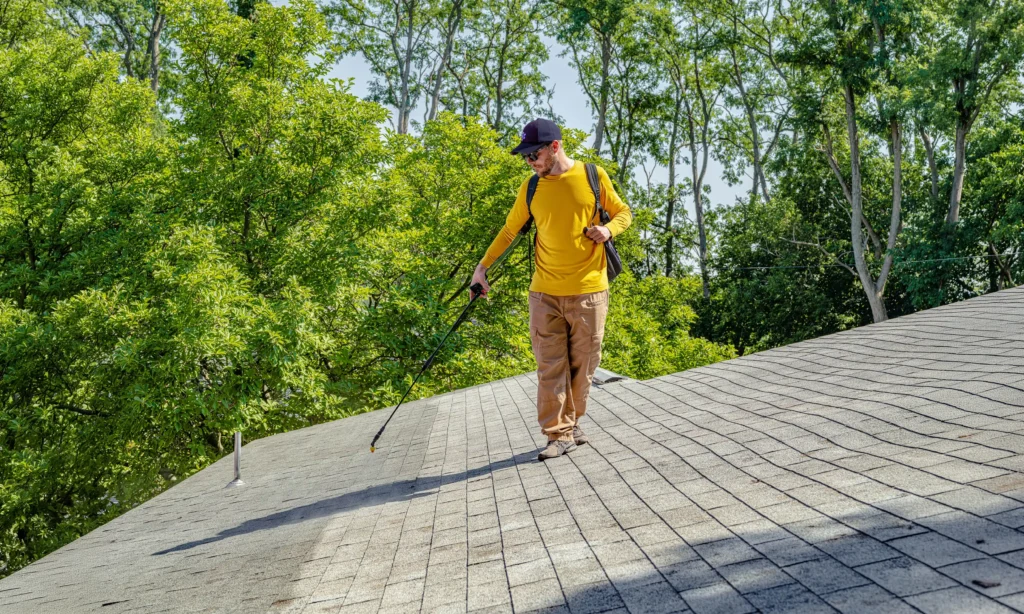
If you’re deciding between a metal roof vs shingles, Bumble Roofing can provide a side-by-side comparison based on your roof design, budget, and long-term goals. We’ll explain the pros and cons of both systems and help you determine which roofing material makes the most sense for your Colorado Springs home.
Contact Bumble Roofing today to schedule a professional roof inspection and get an estimate.
FAQs
How long does a metal roof last compared to shingles in Colorado?
Metal roofs typically last 40–70 years, while architectural asphalt shingles generally last 7–10 years. Colorado’s intense UV exposure, hailstorms, and temperature fluctuations can shorten the lifespan of traditional shingles, making metal roofing especially attractive for long-term homeowners.
Does a metal roof increase home value in Colorado Springs?
Metal roofing improves curb appeal and resale value, particularly among buyers looking for durability and lower long-term maintenance costs. However, homeowners planning to sell within a few years may not fully recover the additional upfront investment.
Will my insurance be cheaper with a metal roof in Colorado?
Some Colorado insurance carriers offer discounts for qualifying Class 4 impact-resistant roofing systems, including certain metal roofs and impact-resistant shingles. Discount availability varies by insurer and policy, so homeowners should verify eligibility directly with their provider before making a roofing decision.
Can you install a metal roof over existing shingles?
In some cases, yes. Local building requirements, roof condition, structural considerations, and the number of existing roofing layers can affect whether an overlay is permitted. Always schedule a professional roof inspection before moving forward with this approach.
Which roof type handles Colorado hail better?
Metal roofing and Class 4 impact-resistant shingles both perform exceptionally well during hailstorms. Metal roofs may dent during major storms, while shingles may experience granule loss, cracking, or punctures. Standard architectural shingles are generally the most vulnerable to damage from severe hail impacts.
Are metal roofs louder during rain or hail?
Not typically. Modern residential metal roofs are installed over solid roof decking and underlayment, which helps minimize noise. Most homeowners notice little difference between a properly installed metal roof and an asphalt shingle roof during normal weather conditions.
Roofing, the Easy Way
Get Estimate
