
Metal Roofing vs. Asphalt Shingles: Which Is Right for Your Home?
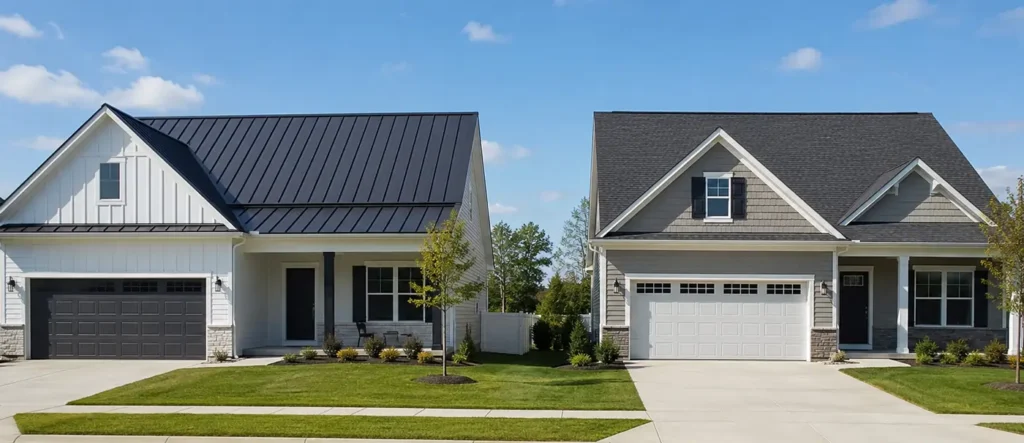
When comparing metal roofing vs asphalt shingles, most homeowners notice the difference in upfront cost, and that becomes the focus of the decision. While a metal roof typically costs two to three times more upfront, it can also last more than twice as long. That raises an important question—which option actually provides the better value over time?
At Bumble Roofing, we install both metal and asphalt roofing systems for homeowners across Colorado, Texas, California, Washington, and other markets. We’ve seen firsthand that the right choice depends on your budget, climate, and how long you plan to stay in your home.
Metal roofs generally last 40–70 years, while asphalt shingles typically last 15–30 years depending on the product, installation quality, ventilation, and local weather. In this guide, we look beyond the initial price and outline the factors to consider when choosing asphalt shingles vs metal roofing.
Asphalt Shingles vs Metal Roofing Comparison Table
| Feature | Asphalt Shingles | Metal Roofing |
| Typical Lifespan | 15–30 years | 40–70 years |
| Upfront Cost | Lower | Higher |
| Weight | 230–350 lbs per square | 50–150 lbs per square |
| Maintenance | Moderate | Low |
| Energy Efficiency | Standard | Excellent with reflective coatings |
| Best For | Budget-conscious homeowners | Long-term homeowners seeking durability |
What Makes These Two Roofing Materials Different?
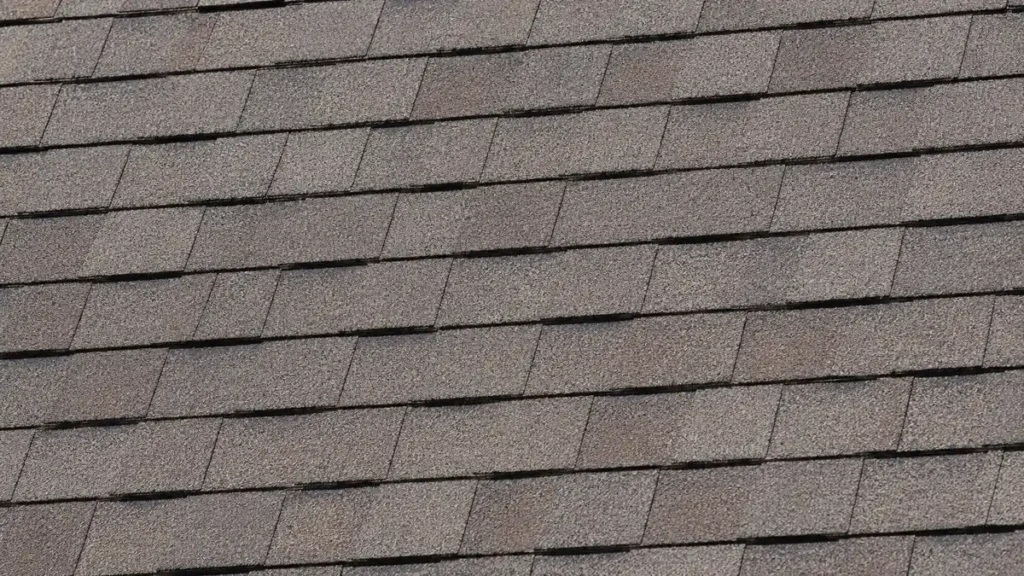
The asphalt shingles vs metal roofing debate starts with understanding how each material is made. Asphalt shingles feature a fiberglass or organic mat coated with asphalt and mineral granules, while metal roofing is available in steel, aluminum, copper, or zinc.
Types of Metal Roofing Available
Residential metal roofing comes in several styles, each with its own advantages.
- Standing seam steel: The most popular premium option with concealed fasteners, excellent weather protection, and a clean modern appearance.
- Corrugated steel panels: A more affordable choice with exposed fasteners, common on both residential and agricultural buildings.
- Metal shingles: Designed to resemble asphalt shingles, slate, or wood shake while offering the durability of metal.
Metal roofing is also significantly lighter than asphalt. Most systems weigh 50–150 pounds per square, compared to roughly 230–350 pounds per square for asphalt shingles.
Types of Asphalt Shingles Available
Asphalt shingles are available in three primary styles:
- Three-tab shingles: The most economical option with a flat appearance and a typical lifespan of 15–20 years.
- Architectural shingles: The most common residential choice, offering improved durability, dimension, and a typical lifespan of 25–30 years.
- Luxury or designer shingles: Premium products that mimic slate or cedar shake while providing enhanced curb appeal and longer manufacturer ratings.
Cost of Metal Roofing vs. Asphalt Shingles
For many homeowners, the cost of metal roofing vs asphalt shingles is the deciding factor. Metal roofing is typically two to three times more expensive to install upfront, but its longer lifespan makes it less expensive to own over several decades.
Upfront Installation Costs
Roof installation costs vary based on roof size, pitch, labor rates, material selection, and whether the existing roof must be removed. If your existing roof requires a complete tear-off, removal typically adds another dollar or two per square foot regardless of the roofing material you choose. In some situations, homeowners may qualify to install metal roofing over an existing shingle roof, which can help reduce labor costs.
Long-Term Cost and Return on Investment
While asphalt shingles cost less today, they may require one or two full replacements during the average lifespan of a single metal roof.
For example, if an asphalt roof is replaced after 20–25 years and again around year 45, the combined material and labor costs can approach—or even exceed—the cost of one metal roof over the same period.
Metal roofing often provides additional long-term value through:
- A lifespan of 40–70 years with minimal maintenance
- Potential homeowners insurance savings for qualifying Class 4 impact-resistant systems*
- Improved resale appeal in many housing markets
- Better energy efficiency in hot climates through reflective finishes
*Availability varies by insurer and location. Check with your carrier before replacing their roof.
Durability, Lifespan, and Weather Performance
Weather exposure, maintenance requirements, installation quality, and ventilation all affect how long any roofing system performs.
Lifespan and Warranty Comparison
Architectural asphalt shingles are often marketed with 30-, 40-, or even 50-year warranties. However, those ratings shouldn’t be confused with real-world service life.
Most architectural shingles perform well for 15–25 years, depending on local weather, attic ventilation, and installation quality. While some products carry longer warranties, many become prorated after the first several years, meaning the manufacturer’s coverage decreases significantly over time.
Metal roofing, on the other hand, typically lasts 40–70 years with relatively little maintenance. In coastal environments or areas with intense UV exposure, painted steel panels may eventually require recoating, but the roofing system itself will protect the home for decades.
Wind, Hail, and Fire Resistance
Metal roofing and asphalt shingles provide excellent protection when properly installed, but they perform differently under severe weather.
- Wind: Standing seam metal roofing can be rated to withstand winds up to 140 mph, while many architectural asphalt shingles carry wind ratings between 60 and 130 mph, depending on the manufacturer and product.
- Hail: Class 4 impact-resistant metal roofing generally performs better during hailstorms. While large hail may dent metal panels, the roof itself usually remains watertight. Asphalt shingles are more likely to lose protective granules after repeated hail impacts, which can accelerate aging.
- Fire: Metal roofing is non-combustible and commonly carries a Class A fire rating. Asphalt shingles can also achieve a Class A fire rating when installed with the appropriate underlayment, making both materials excellent choices for residential fire protection.
Tip: If you’re unsure whether your roof has hail damage or normal weathering, our guide on hail vs. blistering roof damage explains the differences.
Heat, Energy Efficiency, and Climate Fit
Across Bumble Roofing’s service areas, we’ve found that climate often has a greater impact on long-term roofing performance than the roofing material alone. For example, hail-prone areas like Colorado and Texas can shift the long-term value equation toward impact-resistant metal roofing, while asphalt shingles continue to perform well in regions with milder weather.
Reflective metal roofing helps reduce heat absorption, and cool-roof coatings can lower cooling costs in warmer regions by reflecting more solar radiation. Asphalt shingles absorb more heat, which can increase attic temperatures during the summer.
In snowy climates, metal roofs shed snow more easily, helping reduce heavy snow loads and lowering the risk of ice dams.
Proper roof ventilation remains important regardless of roofing material, as it helps regulate attic temperatures and improve long-term roof performance.
Which Roof Is Right for Your Home? A Practical Decision Framework
Metal roofing vs asphalt shingles: The best choice depends on your budget, your local climate, and how long you expect to own your home.
Choose Metal Roofing If…
- You plan to stay in your home for 15 years or more.
- You live in an area with frequent hail, high winds, heavy snow, or intense sun, such as Colorado, Texas, California, or Washington.
- You want minimal maintenance and fewer roof replacements over your home’s lifetime.
- You’re interested in potential insurance savings from a Class 4 impact-resistant roof.
- You prioritize energy efficiency and lower cooling costs.
- Your home is a good candidate for installing metal over an existing layer of shingles.
Choose Asphalt Shingles If…
- Your primary goal is keeping upfront costs as low as possible.
- You expect to sell your home within the next 10 years.
- Your roof has multiple valleys, dormers, or other complex architectural features that make installing metal more expensive.
- You want the widest selection of colors and styles at an affordable price.
- You live in a region with relatively mild weather and limited hail activity.
When It Could Go Either Way
Some homeowners are excellent candidates for either roofing material. In those situations, the deciding factors usually come down to local weather, your home’s existing roof structure, insurance incentives, and how long you plan to stay in the home.
A professional roof inspection can help you compare the options based on your home’s specific needs rather than relying on general averages. Find a Bumble Roofing location near you and schedule yours today.
FAQ — Metal Roofing vs. Asphalt Shingles
How much more does metal roofing cost than asphalt shingles?
Metal roof installation typically costs two to three times more than asphalt roof installation upfront. However, its longer lifespan and lower maintenance requirements can reduce total ownership costs over several decades.
Does a metal roof increase home resale value?
In many markets, yes. A metal roof can improve resale appeal and may increase home value, particularly in areas where durability, energy efficiency, and storm resistance are highly valued. The exact return varies by region and housing market.
Is metal roofing louder than asphalt shingles during rain?
No. Modern residential metal roofing installed over solid roof decking with proper underlayment is typically no louder than an asphalt shingle roof. The “noisy metal roof” reputation mainly comes from older agricultural buildings with exposed framing.
Can I put a metal roof over existing asphalt shingles?
In some cases, yes. Many homes can support a metal roof over one existing layer of shingles, reducing tear-off costs and shortening installation time. Local building codes and the condition of the existing roof deck will determine whether this approach is appropriate.
Which roof is better for hail damage?
Class 4 impact-resistant metal roofing generally provides the best protection against hail. While severe hail may dent metal panels, the panels usually continue to protect the home. Even hail-impact-resistant asphalt shingles are more likely to lose granules during hailstorms, shortening their service life.
Find Your Bumble Roofing Location
Find Your Location