
How Long Does a Roof Last? Lifespan by Material, Climate, and Maintenance
Most residential roofs last 15 to 100+ years, depending on the roofing material, climate conditions, installation quality, and maintenance. Asphalt shingle roofs typically last 15–30 years, while metal, tile, and slate roofs can last several decades longer when properly maintained.
At Bumble Roofing, our teams have installed and repaired roofs across multiple climate zones—from hail-prone Colorado to Texas with its hot summers. This guide breaks down different roof material lifespans, factors that affect roof longevity, signs it’s time for replacement, and how homeowners can maximize the lifespan of their investment.
Roof Lifespan by Material Type
Asphalt Shingles (15-30 Years)
The answer depends on the type of asphalt shingle installed:
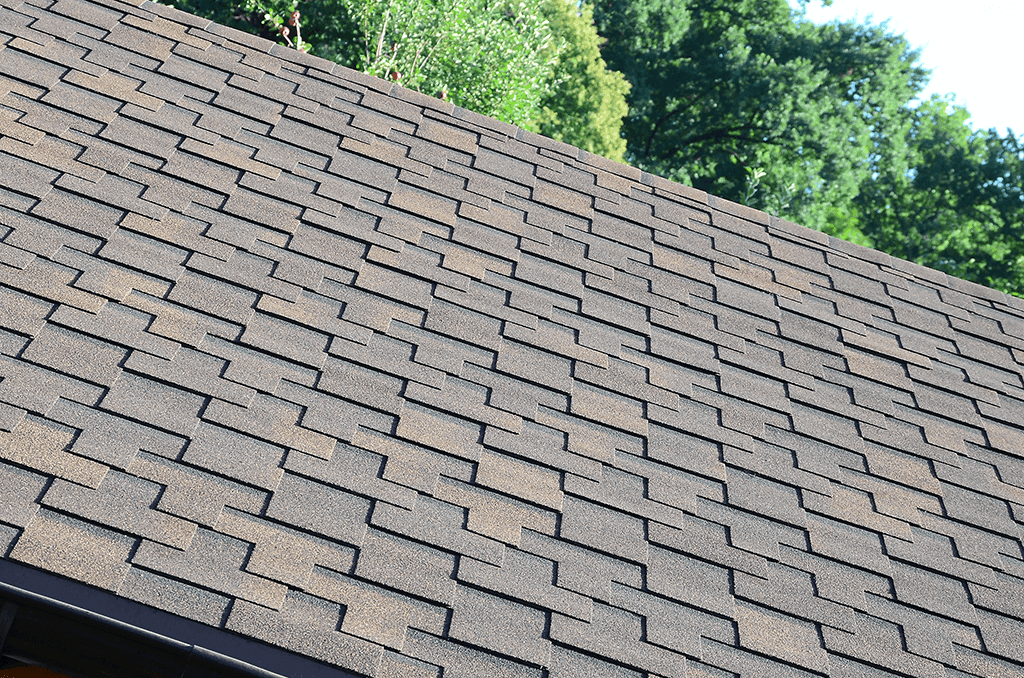
- 3-tab shingles: 15-20 years
- Architectural shingles: 25-30 years
- Luxury shingles: 30-40 years
For most homes, architectural asphalt shingles provide the best balance of affordability and longevity. When divided over their service life, they often deliver among the lowest annual ownership costs of any roofing system.
Metal Roofing (40-70 Years)
Different metal roofing materials have different expected lifespans:
- Steel roofing: 40-70 years
- Aluminum roofing: 50+ years
- Copper roofing: 70-100+ years
For homeowners considering long-term durability, professional metal roofing installation provides decades of reliable protection with relatively low maintenance requirements.
Other Common Materials
Tile Roofing
Clay and concrete tile roofs commonly last 50-100 years, but longevity depends on proper installation and structural support.
Slate Roofing
Natural slate is one of the longest-lasting roofing materials available, often lasting 75-100+ years when maintained properly.
Wood Shake Roofing
Wood shake roofs generally last 20-40 years but require more maintenance than other roofing systems. Moisture exposure, insects, and UV damage can significantly affect lifespan.
What Affects How Long Your Roof Lasts?
Even the highest-quality roofing material won’t reach its full lifespan without proper installation, maintenance, and environmental conditions.
Climate and Weather Conditions
Different regions create different roofing challenges. For example, asphalt shingles exposed to year-round heat in Southern California may age faster than the same shingles installed in a milder climate. Similarly, the Midwest’s heavy snow loads and year-round temperature fluctuations can shorten the lifespan of otherwise healthy roofing systems.
Installation Quality and Ventilation
Industry experts estimate that installation errors, such as incorrect flashing or inadequate attic ventilation, can reduce roof lifespan by 20-40%. Ventilation is especially important because excessive attic heat and trapped moisture accelerate deterioration of roofing materials from the inside out.
Maintenance and Repairs
Routine maintenance is one of the most effective ways to extend roofing material lifespan and prevent premature replacement. Small issues that go unaddressed—a missing shingle or damaged flashing—can eventually lead to leaks and structural damage. Compared to the cost of a full roof replacement, annual maintenance is often one of the highest-return investments homeowners can make.
Signs Your Roof Needs Replacement
Deciding whether to repair or replace your roof is a nuanced process that affects your home maintenance budget, your safety, and your peace of mind. The following warning signs often indicate it’s time to begin planning for replacement.
Age-Related Warning Signs
As a general rule, homeowners should begin monitoring asphalt roofs more closely once they reach the 20-year mark. If your roof is approaching the end of its expected lifespan, it may be time to start planning for replacement.
Watch for these common visual indicators of deterioration:
- Curling, buckling, or cracked shingles
- Missing shingles
- Excessive granule loss
- Faded or deteriorating roofing surfaces
- Moss or algae growth
Performance and Structural Issues
In many cases, repairs are cost-effective when damage is isolated. However, if you have an aging roof that requires frequent repairs, replacement often provides better long-term value.
These are some of the common warning signs that your roofing issues are more than cosmetic:
- Recurring roof leaks
- Water stains on ceilings
- Sagging roof sections
- Rising energy bills
- Daylight visible in the attic
- Structural wood deterioration
How to Maximize Your Roof’s Lifespan
Proactive maintenance helps homeowners get the most long-term value from their roofing investment.
Regular Inspection Schedule
Routine roof inspections identify small issues before they become expensive problems. Homeowners can safely inspect the ground-level portions of their roof using binoculars, but climbing onto a roof should generally be left to trained professionals.
Recommended inspection frequency:
- Spring inspection after winter weather
- Fall inspection before colder temperatures arrive
- Additional inspections after major storms
- Professional inspections every 1-2 years
Preventive Maintenance Tasks
Regular maintenance helps protect roofing materials from unnecessary wear and damage caused by age and moisture.
Key roof maintenance tasks include:
- Cleaning gutters and downspouts
- Removing leaves and debris
- Trimming overhanging tree branches
- Checking flashing around vents and chimneys
- Monitoring attic ventilation
- Repairing minor damage promptly
FAQs
How often should I replace my roof?
Most asphalt shingle roofs need replacement every 20-25 years, while metal roofs often last 40-70 years. Climate, installation quality, and maintenance significantly influence these timelines.
Can a roof last longer than its warranty period?
Yes. Many roofs exceed their warranty period when properly maintained. Warranties generally cover manufacturing defects rather than normal aging and wear.
What shortens a roof’s lifespan the most?
Poor installation and neglected maintenance are among the biggest contributors to premature roof failure. Exposure to severe weather and inadequate ventilation can also significantly reduce roof longevity.
Is it better to repair or replace an aging roof?
Repairs are often the most economical solution when the roof is relatively young and the damage is isolated. If the roof is near the end of its lifespan and requires frequent repairs, replacement provides better long-term value.
How do I know if my roof installation was done properly?
Proper installation includes correct flashing placement, proper nail patterns, adequate ventilation, and consistent material alignment. Schedule a professional roof inspection if you suspect these components were installed incorrectly.
Maximize The Lifespan of Your Roof With Bumble Roofing
Now that we’ve answered the question, “How long does a roof last?”, it’s time to get the most out of your roofing investment. Schedule a professional roof inspection with Bumble Roofing.
No matter what type of roofing system you have, regular inspections and preventive maintenance are the most effective ways to maximize its lifespan and avoid premature replacement costs. By recognizing early warning signs, homeowners can make informed decisions to protect their homes and budgets.
Find Your Bumble Roofing Location
Find Your Location