

How Snow and Ice Impact Flat Commercial Roofs in Colorado Springs
Why Flat Commercial Roofs Are Vulnerable in Winter
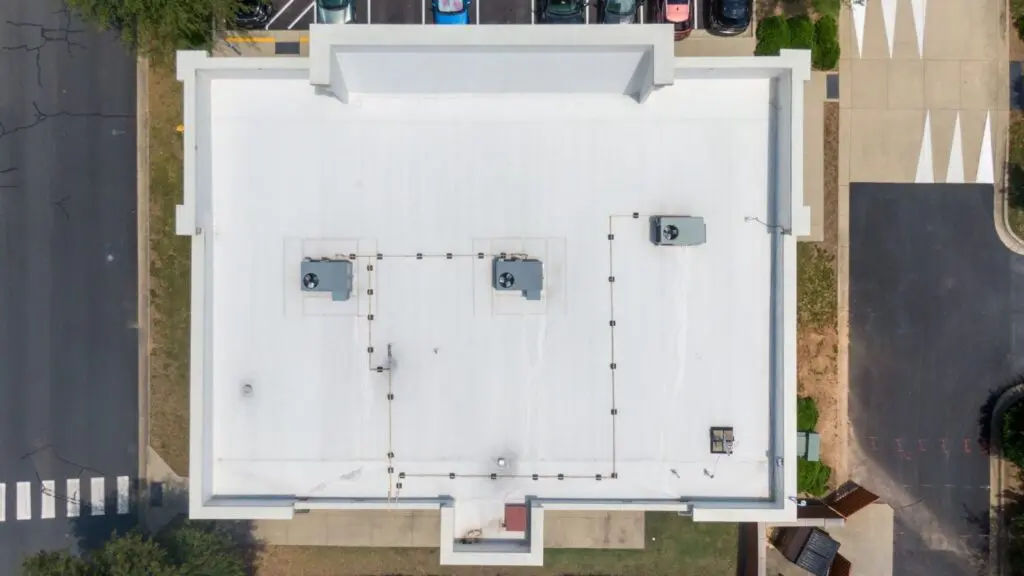
Flat commercial roofs face unique challenges during Colorado Springs winters. Heavy snow, deep freezes, and temperature swings can all cause issues that sloped roofs don’t experience. While these roofing systems are designed to hold snow, the combination of snow load, ice formation, and drainage problems can put stress on the structure. Understanding how snow on a flat roof behaves is essential for preventing leaks, damage, and safety concerns during the winter months.
Snow accumulation tends to be heavier on flat surfaces because it has nowhere to slide off. As storms move through Colorado Springs, snow can pile up quickly, adding thousands of pounds of weight. Without proper maintenance and drainage, the added load can weaken the roof over time or even lead to structural damage.
How Snow and Ice Impact Flat Commercial Roofs
Flat commercial roofs face unique challenges during Colorado Springs winters. Heavy snow, deep freezes, and temperature swings can all cause issues that sloped roofs don’t experience. Businesses dealing with winter roofing concerns can turn to our commercial roofing services for inspections, maintenance, and repairs.
Ice damming on a flat roof is also common. As heat escapes from the building, snow melts unevenly. Water flows toward drainage points but refreezes before reaching the drains, creating blockages. This can cause water to pool, which increases the likelihood of leaks, membrane damage, and interior moisture issues.
Weight, Drainage, and Structural Stress
When snow and ice accumulate on a flat roof for extended periods, the added weight can stress the roofing materials and the underlying structure. Even though commercial buildings are engineered for snow load, the risk increases during back-to-back storms or extended cold periods. Wet snow is hefty, and Colorado Springs often sees storms that start with light powder and end with dense, wet accumulations.
Drainage is another primary concern. Flat commercial roofs rely on scuppers, internal drains, or tapered areas to direct water off the surface. When those drainage points freeze or get blocked by snow, the water has nowhere to go. Standing water adds additional weight and can seep into seams, flashing, or weak points in the roof membrane.
Ice Dams on Flat Roofs
Ice dams on a flat roof form the same way they do on sloped roofs, but the consequences can be worse. Ice damming occurs when melted snow gets trapped behind a ridge of ice that forms near the edges or over drainage outlets. With nowhere to escape, the water backs up under the roofing membrane.
This process leads to leaks, interior damage, mold growth, and insulation deterioration. Businesses in Colorado Springs often deal with ice-damming on flat roofs due to the city’s wide temperature swings. Even newer roofing systems can experience problems if drainage isn’t maintained or if insulation isn’t adequate.
When to Consider Flat Roof Snow Removal
There are times when flat roof snow removal becomes necessary to avoid severe damage. While not every snowfall requires action, heavy storms or prolonged freezing conditions can push a roof past safe limits. Snow removal is essential when:
- Drains are blocked with ice
- Water is visibly pooling
- The roof hasn’t been inspected recently
- Large amounts of wet, heavy snow accumulate
Removing snow from a flat roof must be done carefully to avoid puncturing the membrane or damaging flashing. Professional commercial roofing contractors use safe techniques and equipment designed for flat roof snow removal, making it the best choice for protecting your investment.
Protecting Your Flat Commercial Roof in Winter
The best defense against winter damage is preparation. Routine inspections before and during the season can help identify ponding water, weakened seams, and blocked drains early. Businesses should also check insulation and ventilation, as both help minimize ice dam formation.
Routine inspections before and during the season can help identify ponding water, weakened seams, and blocked drains early. For buildings where snow and ice movement is a concern, snow guards to manage snow and ice buildup may also be part of a broader winter roof-management strategy.
Working with a trusted commercial roofing contractor in Colorado Springs ensures your flat roof is ready to handle snow, ice, and freezing temperatures. Keeping up with maintenance not only extends the life of the roof but also protects your building, employees, and operations during Colorado’s harshest months. You can also see how these considerations apply in a real-world setting by learning about a recent commercial roof replacement project.
Contact Bumble Roofing of Colorado Springs today for your free roofing estimate!

Roofing, the Easy Way
Get Estimate
