

Why Slate Roofing Is So Common in Richmond, VA
A Quick History Lesson You Didn’t Ask For
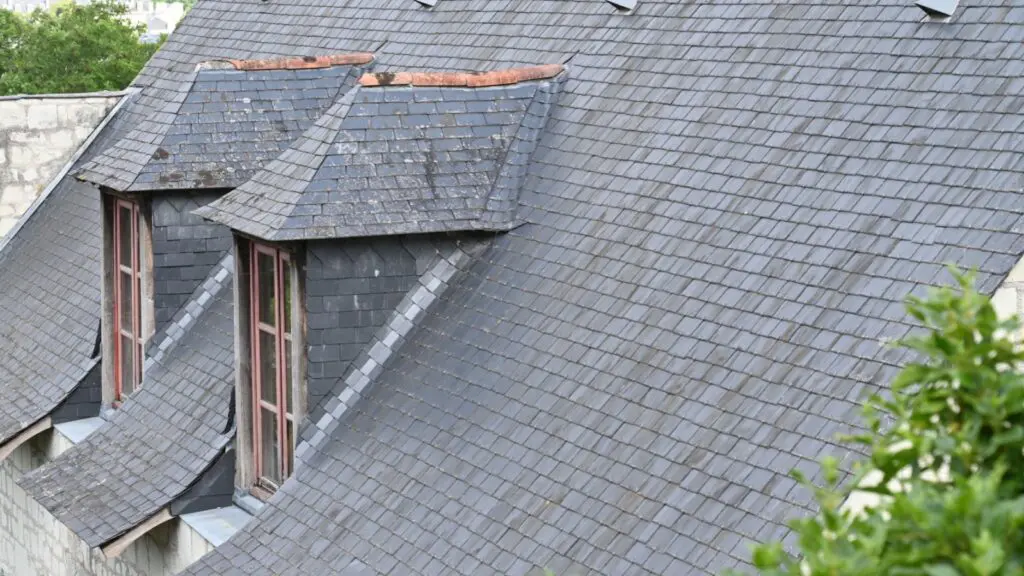
Take a drive through the Fan, or Church Hill, or up into Ginter Park. Look up. Half the roofs are dark and scaly-looking, and they sort of shimmer when the sun catches them at the right angle. That’s slate. Richmond has more of it than most American cities its size, and new homeowners ask us about it constantly.
So why here? A few things lined up at once. The timing of when these neighborhoods went up, the geology of what was being quarried an hour or two west, and the plain fact that slate shrugs off Virginia weather better than just about anything else you can nail to a house. We’ve spent years pulling old slate off Richmond roofs and putting fresh slate back up, and people are usually surprised how much there is to say about a material that’s basically rock.
Why Slate Took Off in Richmond in the First Place
Most of Richmond’s older neighborhoods went up between the 1880s and the 1930s. That happens to be the same stretch when American slate production hit its peak. The quarries out in Buckingham County, just west of the city, were turning out high-quality stone, and the railroads made it dirt cheap to haul into town. So builders putting up Victorian rowhouses, Foursquares, and Colonial Revivals didn’t have to think twice about it. The stuff was local and cheap and everywhere.
Buckingham slate is some of the best in the country, honestly. Geologists rate it highly for density and weather resistance, and it shows up on roofs from D.C. down to Charleston. A fair amount of what’s on Richmond homes today came out of the ground within a two-hour drive.
Then there are the houses themselves. A lot of those older builds have steep roof pitches, which is exactly what slate needs to shed water the way it should. The architecture and the material grew up together.
How Slate Holds Up in Virginia’s Climate
Richmond weather isn’t easy on a roof. You’ve got the hot, sticky summers, then freeze-thaw cycles all through the winter, the occasional hurricane remnant rolling up from the coast, hail, and the ice dams that show up whenever we get a real cold snap.
Slate takes all of it better than anything else out there. It doesn’t soak up water the way asphalt does, so freeze-thaw barely registers. It’s effectively fireproof, which counts for more than people realize in neighborhoods where the houses sit shoulder to shoulder. And it stays put in high wind instead of peeling off the way three-tab shingles love to.
The lifespan is the part that really gets people, though. A natural slate roof that’s installed right can last 75 to 100 years, sometimes longer. Some of the Buckingham slate on Monument Avenue is pushing 120 and still holding. Not bad for a piece of rock.
The Catch With Owning a Slate Roof
We’re not going to pretend slate is flawless. There are a few real things to know if you own one, or you’re weighing whether to install slate roof tiles in the first place.
For starters, it’s heavy. A natural slate roof weighs three, sometimes four times what asphalt does. The structure underneath has to be built to hold that. Most of the original Richmond homes were, but additions are where it gets iffy. If somebody tacked on a dormer or a back room in the 70s, get the framing checked before you assume it’ll carry slate.
It’s also brittle. The tiles themselves last more or less forever, but you can’t walk on them like asphalt. Some guy from the gutter company stomping around up there can crack a dozen in five minutes flat, which is exactly why slate roof repair has to be done by people who know slate. It’s its own craft, not a skill that carries over from regular roofing.
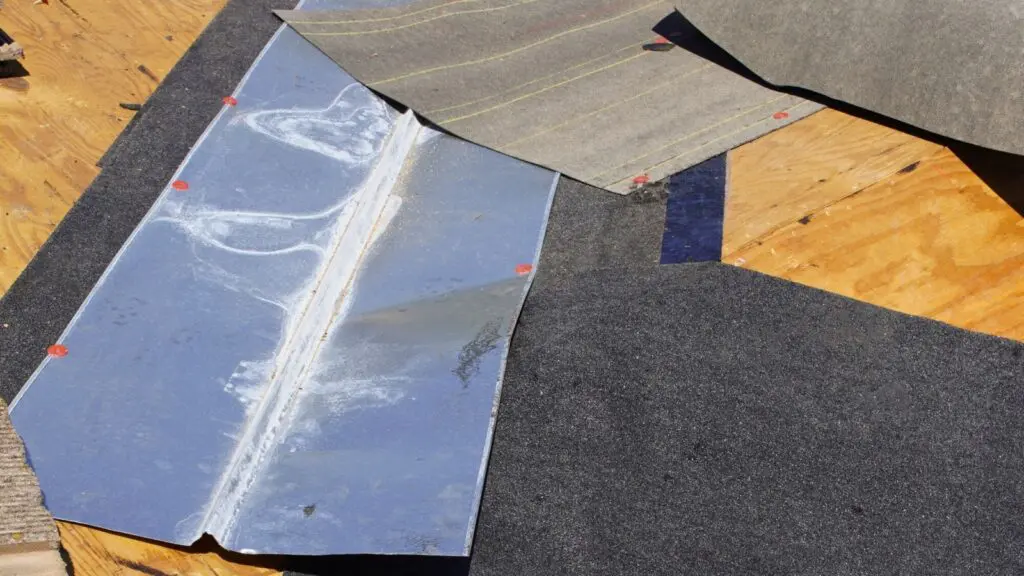
And here’s the one that surprises folks: the metal flashing and the nails almost always wear out before the slate does. So you’ll run into a 90-year-old Richmond slate roof that needs real slate roof restoration work, not because the slate failed but because the copper valleys and ridge flashings finally gave out. That’s the bulk of what we do on older roofs around here.
Synthetic Slate Roofing as an Alternative
Synthetic slate roofing has come a long way. The early stuff from the 90s looked plasticky and faded fast, but the newer composite products from companies like DaVinci and Brava are genuinely good. From the ground you mostly can’t tell the difference.
For Richmond homeowners, the appeal usually comes down to weight, cost, and availability. Synthetic weighs a fraction of what natural slate does, so it’ll sit happily on framing that could never carry the real thing. It runs roughly half the installed price. And you’re not stuck trying to track down one of the few crews who actually know how to lay natural slate.
The trade-off is how long it lasts. Synthetic slate roofing is usually rated for 40 to 50 years, which is excellent next to asphalt but a long way short of natural slate’s century. For plenty of homeowners that math still pencils out, especially if you’re not planning to hand the house down to your grandkids.
One thing to watch in the historic districts: some Richmond neighborhoods have guidelines requiring natural slate for slate roof replacement on contributing structures. Worth a quick phone call before you commit to anything.
What to Do If You’ve Got One
If you already own a slate roof in Richmond, the smartest move is usually to leave it be and have someone who actually works on slate look it over every few years. Most slate roofs don’t need replacing. They need attention: a few cracked tiles swapped out, some flashing redone, the valleys cleaned and resealed. That kind of upkeep can buy you another 30 or 40 years without much fuss.
And if you’ve got a leak, don’t let a general roofer talk you into tearing the whole thing off for asphalt. We’ve watched that happen, and it’s almost always the wrong call. A century-old Richmond home with its original slate is worth real money in this market, and stripping it off takes a bite out of both the character and the resale value.
Got questions about a slate roof somewhere in the Richmond area? We cover the West End, Church Hill, the Fan, Hanover, Henrico, and Chesterfield. Give Bumble Roofing of Richmond a call and we’ll climb up there and tell you what’s really going on. Contact us today for straight answers and real options, not a sales pitch for a roof you don’t need.


Roofing, the Easy Way
Get Estimate
