

What is Synthetic Roof Underlayment Used For?
Why Synthetic Roof Underlayment Matters for Georgia Homes
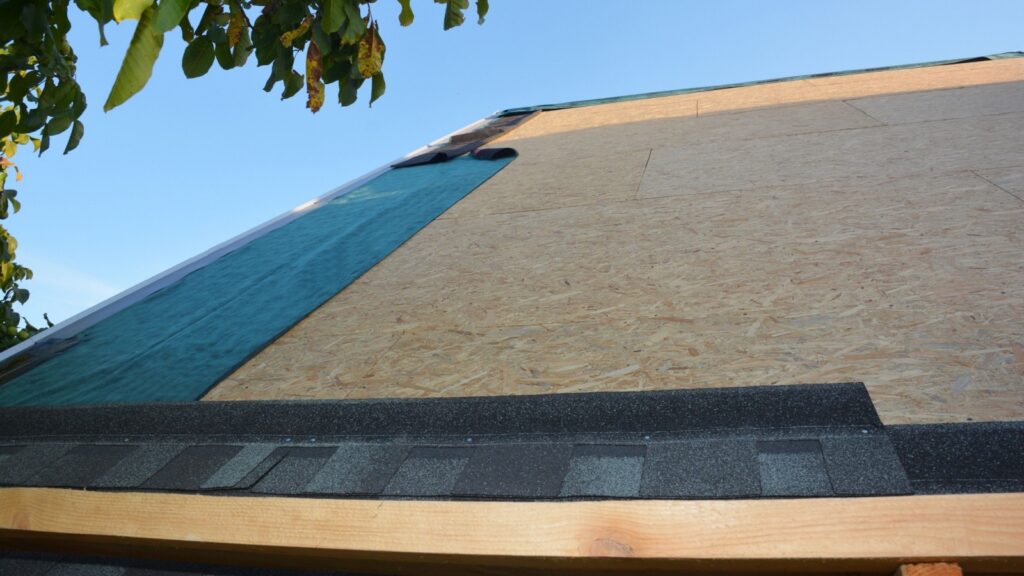
When you look at your roof, you mainly see shingles or metal panels. But underneath that top layer lies one of the most important defenses for your home: roof underlayment. Synthetic roof underlayment is a modern alternative to traditional felt paper. Made from engineered polymers, it creates a strong, water-resistant barrier between your roofing material and the decking beneath.
For homeowners in Forsyth County and Gwinnett County, GA, where heat, humidity, and heavy rainfall are common, this added protection is critical. Without the right underlayment, even the best shingles can’t fully protect your home from moisture damage, leaks, and rot.
Synthetic vs. Felt Roof Underlayment
Felt Roof Underlayment
For decades, many roofing contractors used felt roof underlayment, commonly referred to as “tar paper.” It was inexpensive, widely available, and served as the industry standard for generations. While felt still has a place in some roofing projects, it comes with several drawbacks that limit its effectiveness.
Felt Is:
- Heavier to work with
- More prone to tearing during installation
- Highly absorbent
Over time, the moisture absorbed can cause wrinkles, soft spots, and premature deterioration. In regions like Forsyth County and Gwinnett County, where summer storms and long stretches of heat are common, felt underlayment can break down quickly under the stress of Georgia’s weather.
Synthetic Roof Underlayment
Synthetic roof underlayment, on the other hand, has become the preferred choice for modern roof installations. Made from engineered polymers, it is:
- Much lighter than felt
- Tear-resistant
Unlike felt, synthetic materials do not absorb water, which helps prevent warping and buckling beneath shingles or metal roof underlayment systems. This creates a smoother, flatter surface that improves both the look and performance of your roof.
The Question of Durability and Cost
Durability and cost are additional key factors in roof underlayment. Synthetic underlayment resists mold, mildew, and rot, which are common problems in North Georgia’s humid climate. Because it does not dry out or become brittle as quickly as felt, it typically offers a much longer lifespan. In fact, many synthetic products are rated to last as long as the shingles themselves, meaning homeowners can enjoy peace of mind knowing their roof has a second layer of long-lasting protection.
For homeowners weighing their options, the choice often comes down to cost versus value. While felt may be cheaper upfront, synthetic underlayment delivers better performance, greater durability, and fewer maintenance concerns over the life of your roof. When you’re investing in a roof repair or roof installation in Forsyth or Gwinnett, synthetic underlayment often pays for itself in the long run.
Why Roof Underlayment Matters in Georgia
If you’re planning a roof repair or roof installation, you may be wondering why underlayment is necessary at all. After all, aren’t shingles enough? The truth is, shingles are designed to repel water, but they’re not fully waterproof. During strong storms, wind can lift shingles, and water can seep underneath.
This is where roof underlayment types make all the difference. Synthetic underlayment acts as a second line of defense, keeping moisture away from your roof deck. It also helps improve fire resistance and adds an extra layer of insulation, keeping your home more energy-efficient.
For homes in Forsyth and Gwinnett counties, where summer thunderstorms and winter freezes put roofing systems to the test, having a reliable underlayment is non-negotiable.
Benefits of Synthetic Roof Underlayment for Metal Roofs
If you’re considering a metal roof installation, choosing the right underlayment is especially important. Metal roofing expands and contracts with temperature changes, which can stress weaker underlayment materials. Synthetic underlayment is designed to withstand this movement without cracking or tearing.
It also provides a smooth surface that prevents “telegraphing”, when imperfections in the roof deck show through the panels. Combined with its excellent moisture resistance, synthetic underlayment helps extend the lifespan of your metal roof while protecting your home’s structure underneath.
Roof Underlayment Types and Installation
There are several roof underlayment types, but the two most common are felt and synthetic. Some contractors may still use felt to cut costs, but most professional roofing companies, including Bumble Roofing of Forsyth and Gwinnett, recommend synthetic because of its long-term value.
During a roof installation, synthetic underlayment is rolled out and fastened directly to the roof deck before shingles or panels are applied. Its lightweight design makes it easier and safer to handle, which reduces installation time and ensures a tighter, more secure fit.
Choosing the Right Roofing Partner in Forsyth & Gwinnett
Your roof is one of the biggest investments in your home, and the materials you choose will impact its durability for decades. At Bumble Roofing of Forsyth and Gwinnett, we specialize in modern roofing solutions, including synthetic roof underlayment, for homeowners throughout Forsyth County and Gwinnett County. Whether you need a small roof repair or a full roof installation, our team uses the latest products to ensure your home stays protected year-round.
Contact Bumble Roofing today for roofing in Forsyth & Gwinnett County!
Roofing, the Easy Way
Get Estimate
