

What Roof Pitch Means for Your Home in The Woodlands
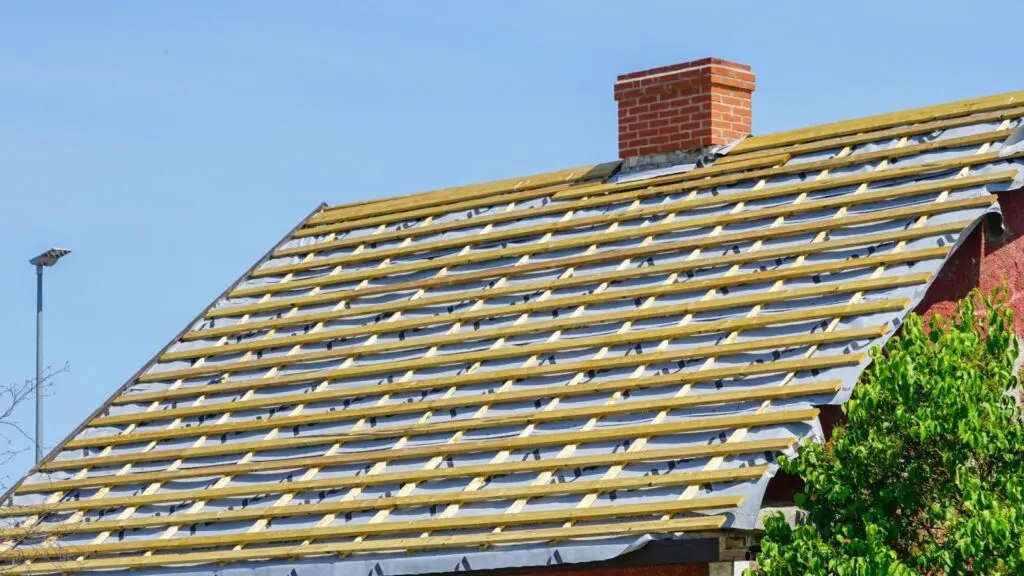
Take a slow drive through your neighborhood in The Woodlands, or down into Spring, and just look up. The roofs are all over the place. A few climb sharply toward the sky. Plenty of others barely tilt at all. That tilt is what roofers call pitch, and it carries more weight than most people realize. Drainage depends on it. So does the kind of material that can go up there, how your attic handles August, and what you’ll end up paying when the whole thing eventually needs redoing. Maybe you’ve stood in the driveway squinting at your own roof, wondering why it sits the way it does. Or whether that angle even makes sense for the soggy stretches we call spring here on the Gulf Coast. If so, keep reading.
What Is Roof Pitch?
At its core, pitch is just steepness. Roofers happen to talk about it in a slightly odd way, as a ratio like 4:12. All that means is the roof goes up 4 inches for every foot it runs across. Picture a foot-long ruler laid flat, then the roof climbing 4 inches over that length. The first number is the one that tells the story. A 7:12 you’d notice from the curb. A 3:12 you might not clock at all.
Now, pitch versus slope. You’ll catch people saying both, and most of the time they mean the exact same thing. Yes, there’s some technical hair-splitting between them, but standing in your front yard looking up, who cares. The question that matters is how sharp that angle is. And a “pitched roof,” in plain terms, is one tilted enough to push water off instead of letting it sit and soak.
Which is the whole point, really. That one ratio ends up steering a surprising number of decisions, everything from which shingles we’d put on your house to whether your gutters can keep up when one of our summer storms decides to dump.
How to Measure Roof Pitch
Good news: you don’t have to get up on the roof to figure this out. A lot of homeowners measure their roof slope from inside the attic, level and tape measure in hand, feet firmly on the joists.
Here’s the trick people use. Grab a 12-inch level and hold it dead level against a rafter, then measure straight down from the far end of it to the rafter below. Whatever that drop is, that’s your first number. Five inches down? You’re sitting at a 5:12. Pretty satisfying once you do it once.
Rather not deal with the attic? Fair. You can eyeball it from a ladder at the roof’s edge, or there are phone apps that read the tilt off your sensors and spit out a number. They’re fine for ballpark. But if you want the real answer, the kind you’d base a roof decision on, leave it to someone who does this daily. Our free drone roof inspections handle the whole roof in one pass, so we get your slope and a full read on everything else, and nobody’s up there sliding around on shingles that have been baking in the Texas sun all afternoon.
Want a straight answer about your own roof? Give Bumble Roofing of The Woodlands a call at 281-654-8212, or pull a free instant quote online. No haggling, no runaround, just a clear read on where things stand up there.
What Counts as a Standard Roof Pitch in Texas?
Drive around The Woodlands and Spring and most of what you’re looking at falls into the conventional range, give or take a 4:12 on the low end up to around a 9:12. There’s a reason it’s so common. That kind of slope clears our spring downpours without fuss and pairs well with asphalt shingles, which is what’s going over the majority of homes out here anyway.
Roofs generally sort into a few categories:
| Category | Pitch Range | Common Around Here |
| Low slope | 2:12 to 4:12 | Porches, additions, some modern builds |
| Conventional | 4:12 to 9:12 | Most homes in The Woodlands and Spring |
| Steep slope | Above 9:12 | Architectural and high-end designs |
There’s also a minimum roof slope worth knowing. Building codes and shingle manufacturers generally won’t sign off on standard asphalt shingles below a 2:12 pitch, because water just doesn’t move fast enough to stay out. Drop below that line and you’re into low slope roofing territory, which needs a different approach entirely.
Low Slope and Flat Roofs: What’s Different
A low slope roof isn’t truly flat, even when it looks that way from the curb. It still carries a slight grade so water can find a drain. But that gentle angle changes how the whole roof gets built.
Shingles won’t hold up on a low slope roof. Instead, we install membrane systems like TPO, PVC, or modified bitumen, all designed to stay watertight when drainage is slow. You’ll see these on commercial buildings around Spring and on modern residential additions throughout The Woodlands.
The tradeoff is upkeep. Low slope roofing collects debris and is more prone to ponding water, so it pays to inspect it regularly. The reward is a clean, contemporary look and, sometimes, usable rooftop space. It really comes down to matching the system to the slope.
Why Roof Pitch Matters for Your Woodlands Home
Pitch is more than an architectural footnote. It shapes how your roof performs season after season.
Steeper roofs shed water and debris faster, which is a genuine advantage during our wetter stretches. They also tend to leave attics more room to ventilate, which helps when summer heat settles in. The catch? A steep roof costs more to replace, since steeper angles take more material and more careful labor to work safely.
Lower pitches are usually easier and less expensive to work on, but they lean harder on their materials and drainage. Pitch also steers your style options. A tile or metal roof behaves differently on a 4:12 than it does on an 8:12, so the slope you have can quietly open up certain looks or take them off the table.
None of this has to be complicated. The right pitch is the one that fits your house, your budget, and the way our weather actually behaves out here. Line those three up and you’ve got a roof that holds up for years and looks sharp while it’s at it.
Frequently Asked Questions About Roof Pitch
What is the most common roof pitch on homes near The Woodlands?
Most local homes land between 4:12 and 9:12, the range roofers call conventional slope. It drains well, plays nice with asphalt shingles, and shrugs off our climate without much drama.
Can I measure my roof pitch myself?
You can, and it’s safer than it sounds. Head into the attic with a 12-inch level and a tape measure and you’ll get a solid reading off any rafter. If you want an exact number for the full roof, though, a drone inspection beats climbing around up there.
Does a steeper roof cost more to replace?
Usually, yes. Steeper means more material and slower, more careful work to stay safe at that angle, and both of those show up in the estimate. We’ll walk you through every line of it before anything starts.
What’s the lowest slope a shingle roof can have?
About 2:12. Go any flatter and water just doesn’t drain fast enough for shingles to do their job, so you’d switch to a low slope membrane system instead.
Need Roofing Services?
Roofing, the Easy Way. Steep, low, or somewhere in the middle, your roof has a job to do, and Bumble Roofing of The Woodlands has the crew and the materials to keep it doing that job. No gimmicks. No haggling. No pressure, ever. Call 281-654-8212 or request your free instant quote and we’ll take it from there.
Related
Articles


Roofing, the Easy Way
Get Estimate
