

Roof Repair vs Replacement: A Los Angeles Homeowner’s Guide in 2026
Every homeowner eventually faces the same question: Is it time to repair or replace my roof entirely?
The answer isn’t always obvious — especially in Los Angeles, where roofs endure intense UV exposure, dry heat, seasonal Santa Ana winds, occasional heavy rain, and even wildfire risk. What works in other parts of the country may not apply here.
Understanding how long a roof lasts in California and when to replace it can save you thousands of dollars in repair costs. Conversely, if your roofing issues are reparable, a premature roof replacement may be unnecessary.
In this guide, we’ll explain when roof repair vs replacement makes the most sense based on roofing lifespan expectations, warning signs, associated costs, and insurance considerations.
Roof Repair vs Replacement: What’s the Difference?
When comparing roof repair vs replacement, the key difference comes down to scope. A repair addresses specific damaged areas, while a replacement involves removing the existing roofing system and installing a new one. The right option depends on your roof’s age, the extent of damage, and your long-term goals.
Roof Repair
Roof repairs focus on fixing isolated problems while preserving the rest of the existing roofing system.
Common examples include:
- Replacing missing or cracked shingles
- Repairing flashing around vents or chimneys
- Fixing minor leaks
- Sealing small punctures
- Replacing damaged tiles
Repairs typically cost less upfront and are ideal for:
- Roofs under 10–15 years old
- Damage confined to one section
- Issues caused by wind or debris
- No structural or decking damage
Roof Replacement
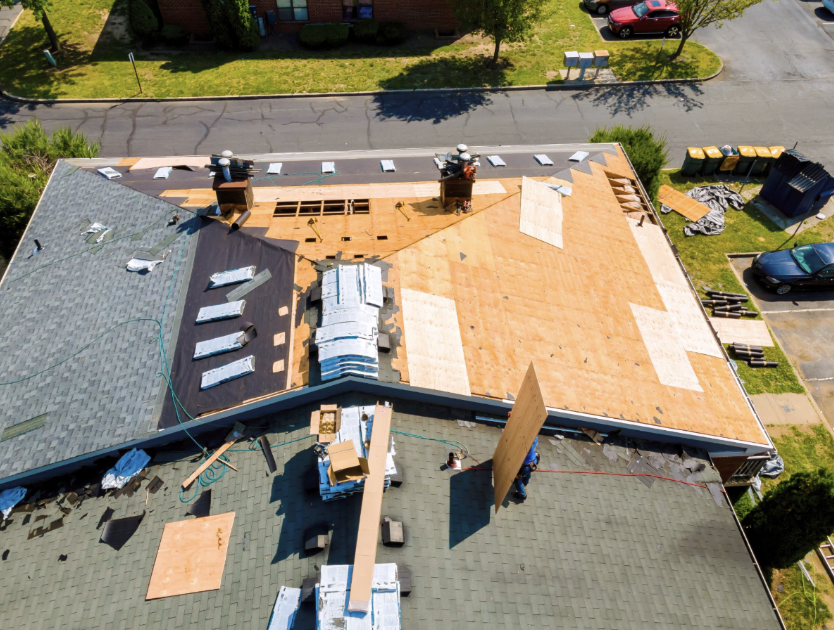
A roof replacement involves removing the existing roofing materials down to the decking and installing a completely new roofing system.
This option is usually necessary when:
- The roof is near the end of its lifespan
- Damage is widespread
- There are recurring leaks
- The underlying decking is compromised
- Storm or wind damage affects multiple areas
While more expensive upfront, roof replacement offers long-term protection and can improve energy efficiency, resale value, and fire resistance — especially important in Southern California.
8 Signs You May Need a Roof Replacement (Not Just a Repair)
Many homeowners search for “when to replace a roof” after spotting a leak or missing shingles. While some issues can be fixed with a simple repair, others signal deeper aging or structural problems.
Below are eight localized roof replacement warning signs Los Angeles homeowners should take seriously:
1. Curling, Cracked, or Missing Shingles
Shingles that curl upward or crack under pressure are often past their prime. In Los Angeles, prolonged UV exposure speeds up shingle deterioration. If damage spans multiple sections, replacement may be the smarter option.
2. Repeated Leaks or Interior Water Stains
Roof repair may be suitable for a single leak after a heavy rainstorm. But recurring leaks in different areas often indicate systemic failure. Water stains on ceilings or walls suggest moisture is getting beneath the roofing layer, which can compromise insulation and framing.
3. Sagging Rooflines
A sagging roof may indicate structural decking damage or long-term moisture intrusion. This typically requires more than surface-level repairs and often necessitates replacement for restored safety.
4. Granules Collecting in Gutters
Asphalt shingles shed granules as they age. If you notice excessive granule buildup in gutters, your roof may be nearing the end of its lifespan. In Southern California’s heat, this process can happen faster than expected.
5. Damaged or Rusted Flashing
Flashing protects vulnerable points like chimneys and vents, increasing the likelihood of water damage when it becomes corroded, lifts, or separates from the roofline. Widespread flashing failure usually supports replacement over repair.
6. Mold, Moss, or Dark Streaks
While mold and moss are more common in damp climates, shaded or coastal areas of Los Angeles can still experience buildup. Persistent dark streaks may signal trapped moisture or aging materials.
7. Sunlight Visible in the Attic
If you can see daylight through the roof boards, the structural integrity may already be compromised. This issue typically extends beyond cosmetic repair and often calls for a full replacement.
8. Your Roof Is 20+ Years Old
For many asphalt systems, 20 years marks the upper lifespan in LA’s climate. If your roof is two decades old or older, even minor damage may signal it’s time to replace the entire system rather than continue investing in repairs.
If you’re still unsure if it’s time to repair or replace your roof, schedule a professional roof inspection and eliminate the guesswork from your decision.
How Long Does a Roof Last in Los Angeles?
One of the most common questions homeowners ask is, “How long does a roof last?”
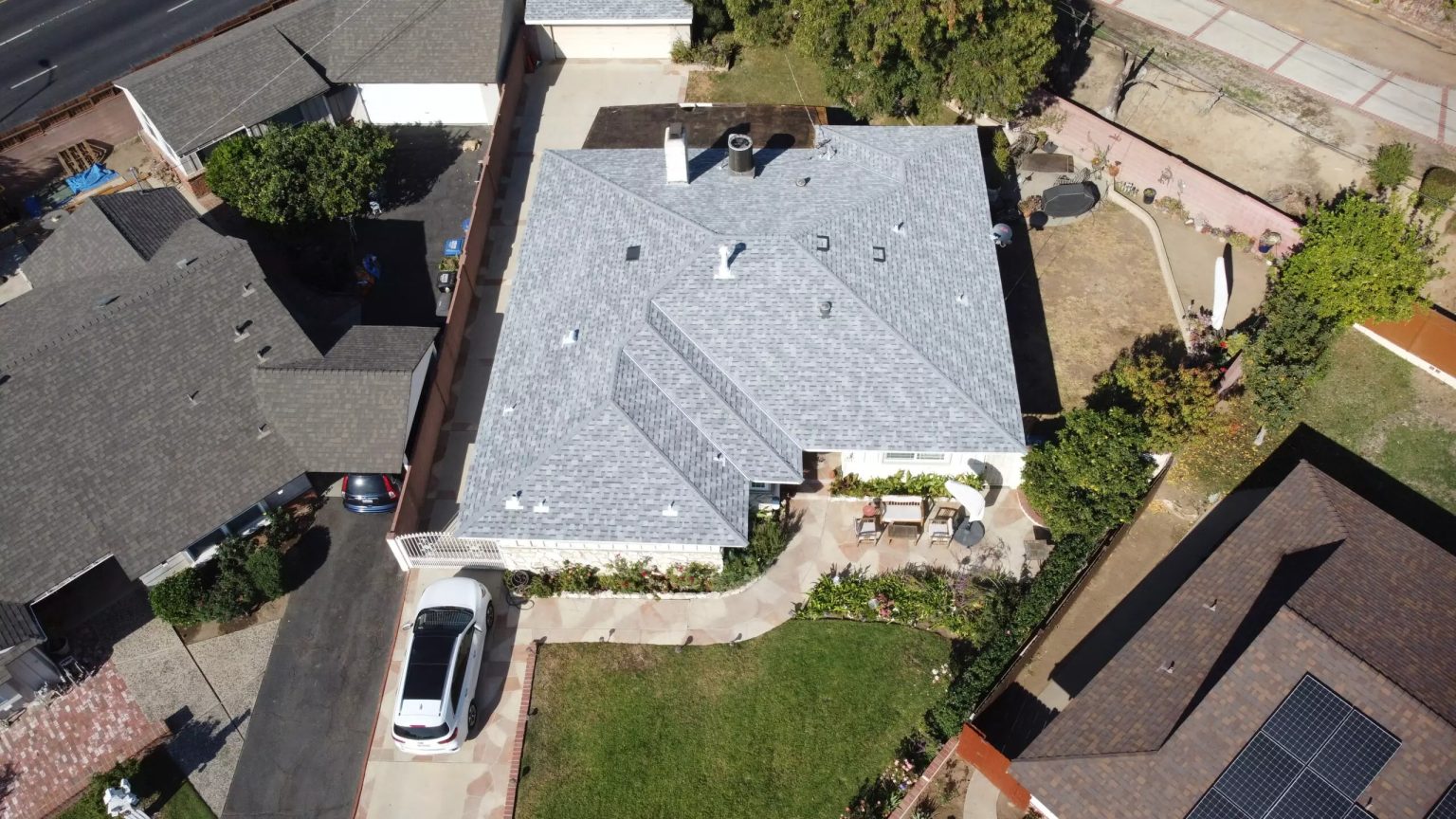
The answer depends on the material and the climate. Southern California’s intense sunlight accelerates aging, especially in asphalt-based systems. Additionally, Santa Ana winds can loosen certain materials over time, and coastal moisture can affect metal components.
Here’s a general lifespan guide for LA’s climate:
| Material | Average Lifespan in LA’s Climate | Notes |
| 3-Tab Asphalt | 15–20 years | UV exposure shortens lifespan |
| Architectural Shingles | 25–30 years | More wind-resistant |
| Tile Roofing | 40–50+ years | Popular in Southern California |
| Metal Roofing | 40–70 years | Fire-resistant option in areas prone to wildfires |
When Is Roof Repair the Right Choice?
Not every roofing issue requires a full replacement. In many cases, a focused repair is the smarter and more cost-effective solution — especially if the roof is still relatively new.
Roof repair is typically the right choice when:
- Damage is limited to a small area
A few missing shingles after strong winds or minor flashing damage around a vent can often be fixed without replacing the entire system. - Your roof is under 10–15 years old
Newer roofing systems usually have plenty of life left. If the structure is sound, targeted repairs can restore performance. - There are no structural or decking issues
If moisture has not compromised the underlayment or roof deck, repairs are a viable option. - Repair costs are less than 30% of the replacement cost
A common industry rule of thumb: if repairs approach one-third of the cost of full replacement, it may be time to reconsider. - There’s no history of recurring leaks
Repeated water intrusion often signals deeper issues.
If you’re unsure, schedule a professional roof inspection in Los Angeles to determine if roof repairs will truly solve the issue.
When Is Full Roof Replacement the Smarter Investment?
While repairs can buy time, they don’t reset your roof’s lifespan. In some situations, replacement is the more financially responsible long-term decision:
- Your roof is nearing the end of its lifespan
If it’s 20+ years old and showing wear, continuing to patch it may cost more over time. - There are multiple leak areas
Widespread leaks often mean the protective barrier has failed across large sections. - Storm or Santa Ana wind damage is extensive
High winds can lift shingles or tiles in multiple areas, weakening the system overall. - Structural or decking damage exists
Soft spots, sagging, or rotted decking often require a tear-off to safely address. - You plan to stay in your home long-term
A new roof offers decades of protection and reduces surprise repair costs. - You’re preparing to sell in LA’s competitive real estate market
In Los Angeles, a new roof can improve buyer confidence and help justify the listing price.
Average Roof Repair Cost in LA
Cost often drives the decision to repair or replace a roof. While prices vary by material and home size, here are general price ranges for roof repairs in Los Angeles in 2026:
- $300–$1,500 for minor repairs
- $1,500–$5,000 for moderate damage
Repairs typically cost less because they address limited sections of the roof. However, repeated repairs can add up over time.
Average Roof Replacement Cost in LA
Roof replacement costs typically range from $8,000–$20,000, depending on the size and material. Several factors can influence the exact cost, including:
- Roof pitch and complexity
- Tear-off vs. overlay
- Material choice (asphalt, tile, metal)
- Hidden deck damage
- Required permits
According to the Los Angeles Department of Building and Safety, most full roof replacements require permits to ensure compliance with local building codes. Permit costs and inspection requirements can influence total project pricing.
Will Insurance Cover Roof Repair or Replacement?
Insurance is often a major factor when deciding between roof repair vs. replacement, and coverage depends on what caused the damage.
What Insurance Typically Covers
Covered perils are defined by the California Department of Insurance, and policies vary based on carrier and coverage type. Most homeowners’ insurance policies cover sudden, accidental damage, including:
- Wind damage (including strong Santa Ana winds)
- Falling debris or tree limbs
- Fire-related damage
- Certain storm-related events
What Insurance Usually Does Not Cover
If your roof simply reached the end of its lifespan, replacement is usually considered a homeowner’s responsibility. Insurance generally does not cover:
- Normal wear and tear
- Aging materials
- Poor maintenance
- Long-term neglect
ACV vs. RCV: Why It Matters
There are two common coverage types:
- Actual Cash Value (ACV) – Pays the depreciated value of your roof
- Replacement Cost Value (RCV) – Pays the full cost to replace it (minus deductible)
If your 20-year-old roof is damaged, an ACV policy may reimburse only a fraction of the replacement cost due to depreciation. An RCV policy offers stronger protection.
After major wind events or heavy rains, it’s wise to document any visible damage. If you suspect storm-related damage, schedule a roof inspection to support your insurance claim with written findings and assess your next steps.

Why a Professional Roof Inspection Matters in Los Angeles
Heat damage is not always obvious from the ground. In Southern California, prolonged UV exposure dries out shingles and underlayment long before leaks appear inside your home.
A professional evaluation can:
- Detect hidden heat-related cracking
- Identify loose flashing from wind exposure
- Spot early signs of decking deterioration
- Provide documentation for insurance claims
- Determine if roof repairs are sufficient
Small cracks expand quickly in LA’s heat cycles. What begins as minor wear can turn into water intrusion during the next heavy rain. Timely inspections help you decide when a roof needs to be replaced before minor issues become structural problems.
Contact Bumble Roofing of Los Angeles to schedule a comprehensive, 20-point roof inspection.
Final Verdict: Repair or Replace?
If you’re trying to decide whether to schedule roof repair vs. replacement, focus on four key factors:
1. Age
If your roof is under 15 years old, repairs are often sufficient. Over 20 years, the likelihood of replacement increases.
2. Extent of Damage
Localized damage supports repair. Widespread wear or multiple leaks often justify replacement.
3. Cost Comparison
If repairs exceed 30–40% of replacement cost, a new roof may provide better long-term value.
4. Future Plans
Planning to stay long-term? Replacement provides peace of mind. Selling soon? A new roof can strengthen buyer confidence.
If you’re still unsure, the smartest next step is a professional evaluation. Request an assessment with Bumble Roofing, and get a clear, honest recommendation based on your roof’s actual condition.
FAQ
Is it cheaper to repair or replace a roof?
Repairs are cheaper upfront. However, repeated repairs on an aging roof can cost more over time than a single replacement.
How often should a roof be replaced in California?
Asphalt roofs in California typically last 15–20 years in California, where intense UV exposure accelerates aging. Tile and metal systems last significantly longer.
Can I replace just part of my roof?
Partial replacement is possible if damage is isolated. However, this option may be limited by mismatched materials and underlying aging.
Does a new roof increase home value in Los Angeles?
Yes. In competitive real estate markets like Los Angeles, a new roof can improve inspection results and buyer confidence.
How long does a roof replacement take?
Most residential roof replacements take 2–5 days, depending on size, material, and weather conditions.
Related
Articles, Roof Repair, Roof Replacement

Roofing, the Easy Way
Get Estimate
