

Roofing Challenges in Los Angeles — And What You Can Do About Them
Roofing in Los Angeles requires different considerations than in other parts of the country. The city’s unique climate—characterized by year-round sun, intense UV rays, occasional heavy rain, coastal salt air, and wildfire threats—can cause significant wear and tear on roofing systems. Homeowners and businesses must be proactive in addressing these conditions to maintain roof longevity and avoid costly repairs.
In this article, we’ll explore Los Angeles’ roofing challenges and offer practical solutions to help homeowners protect their properties from the unique elements of Southern California.
5 Ways the Los Angeles Climate Impacts Your Roof
Between year-round sun, high winds, coastal salt, and the threat of wildfires, Los Angeles’ climate can compromise roofing systems from every angle. Below are the most common regional roofing threats and how you can protect your property from them.
1. Intense UV & Heat Damage
Roofs in LA often age faster than the manufacturer’s “30-year” claims due to the intensity of UV rays and year-round heat. Constant sun exposure causes asphalt shingles to dry out, crack, and curl, significantly shortening their lifespan. Homeowners with asphalt roofs should be particularly vigilant about wear and tear.
What happens?
- Constant sun exposure dries out shingles
- Shingles become brittle and prone to cracking
- Curled or cracked shingles lead to water damage
What you can do: Schedule annual roof inspections to detect UV damage early.
2. Santa Ana Winds & Uplift Damage
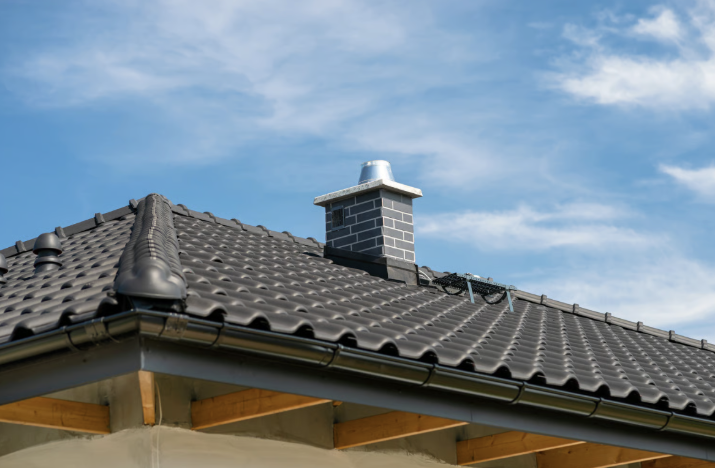
Because they can reach speeds over 60 mph, Santa Ana winds pose a major roofing challenge in Los Angeles. These winds, which start in high-pressure areas in the southwest and build momentum as they move toward southern California’s coast, can cause shingles to loosen, edge flashing to fail, and structural damage from debris impact.
What happens?
- Wind uplift can loosen shingles, leading to leaks
- Edge flashing failure is common
- Strong winds can cause airborne debris to damage your roof
What you can do: Opt for wind-resistant installation methods and ensure fastening systems are in place to secure your roof during high winds.
3. Coastal Salt Air Corrosion
Salt air can be particularly damaging for homes near the coast—such as in West LA, Santa Monica, or Long Beach. Coastal salt leads to metal flashing corrosion and fastener deterioration, especially around vents and penetrations. Stainless steel or other corrosion-resistant materials are essential in these areas.
What happens?
- Metal flashing corrodes faster due to salt and water exposure
- Fasteners deteriorate, compromising roof stability
- Rust forms around roof penetrations
What you can do: Install corrosion-resistant materials, such as stainless steel, and schedule more frequent inspections if you live in a coastal home.
4. Wildfire Risk & Ember Intrusion
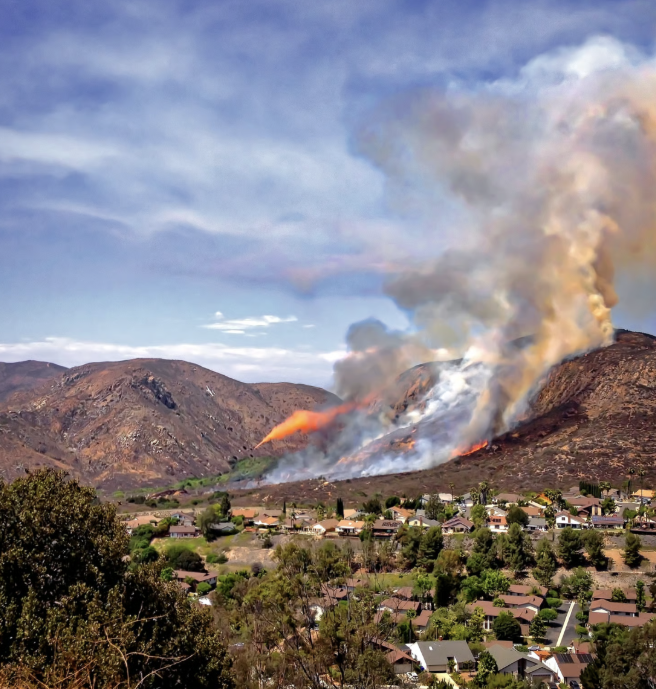
Los Angeles is prone to wildfires, especially in areas designated as Wildland-Urban Interface (WUI) zones. Windswept embers can easily land on your roof and ignite. Class A fire-rated roofing, ember-resistant vents, and fire-resistant roofing materials like tile are essential for homes in these areas. In fact, Los Angeles building codes require fire-resistant materials in high-risk areas.
Fire safety considerations:
- Choose Class A fire-rated roofing materials
- Install ember-resistant vents to prevent sparks from entering your property
- Consider tile roofing for enhanced fire resistance
5. Occasional Heavy Rain & Drainage Problems
When it rains, it pours, as the saying goes. While Los Angeles is known for its dry climate, occasional and intense rainstorms can cause pooling on flat roofs. If left unaddressed, pooling water can lead to serious drainage issues and leaks. Roof membranes and gutter maintenance are essential to avoid water damage.
What happens?
- Ponding water on flat roofs can lead to leaks and deterioration
- Poor drainage systems cause water to pool, exacerbating roof damage
- Gutter systems can become clogged, contributing to water backup
What you can do: Take proper roof waterproofing measures. Install and maintain proper roof drainage systems and regularly clean gutters to prevent water backup.
Warning Signs Your LA Roof Is Failing
Over time, your roof can show signs of wear and tear due to the unique climate conditions in Los Angeles. If you notice any of the following, it’s time to schedule a roof inspection and request a quote for professional roofing services:
- Curling or cracked shingles
- Debris build-up in gutters
- Water stains on ceilings or walls
- Leaks after rainstorms
How to Protect Your Roof in Southern California
Maintaining your roof in Los Angeles requires proactive care to combat the region’s unique environmental conditions. Here are a few tips for protecting your roof:
- Schedule routine, annual roof inspections
- Inspect your roof after Santa Ana wind events
- Clean debris from the roof after windstorms
- Consider cool roofing materials to reflect heat
- Upgrade to fire-resistant roofing materials if in wildfire risk zones
Why Local Roofing Expertise Matters in Los Angeles
Bumble Roofing of Los Angeles understands the unique challenges homeowners and businesses face in this region and tailors our roof maintenance strategies accordingly. Homeowners in Los Angeles, Woodland Hills, West Hills, Canoga Park, and surrounding communities count on us for professional roofing services informed by:
- Familiarity with LA building codes
- Expertise in flat and tile roofs
- Knowledge of wildfire safety requirements
- Understanding coastal corrosion and its impact
Protect yourself from Los Angeles’ roofing challenges with professional roofing services. Contact Bumble Roofing for expert roof repair, maintenance, and installation.
FAQ Section
Why do roofs wear out faster in Los Angeles?
The intense UV rays, heat, and salt air all contribute to faster roof wear in LA. These conditions accelerate the aging process of roofing materials, especially asphalt shingles.
Is tile roofing better for California homes?
Yes, tile roofing is ideal for homes in wildfire-prone areas and coastal regions due to its fire-resistant and corrosion-resistant properties.
How often should I inspect my roof in LA?
You should inspect your roof at least once a year, and after significant weather events such as windstorms or heavy rain.
Are cool roofs required in Los Angeles?
Yes, cool roofs are encouraged in LA to reduce heat absorption and improve energy efficiency, particularly in hot, sunny areas.What roofing materials are best for wildfire areas?
Class A fire-rated materials, such as tile, metal, or concrete, are recommended for homes in wildfire zones.
Related
Articles, Roof Repair
Roofing, the Easy Way
Get Estimate
