
Roof Repair vs. Roof Replacement: Which Is Right for Your Home?
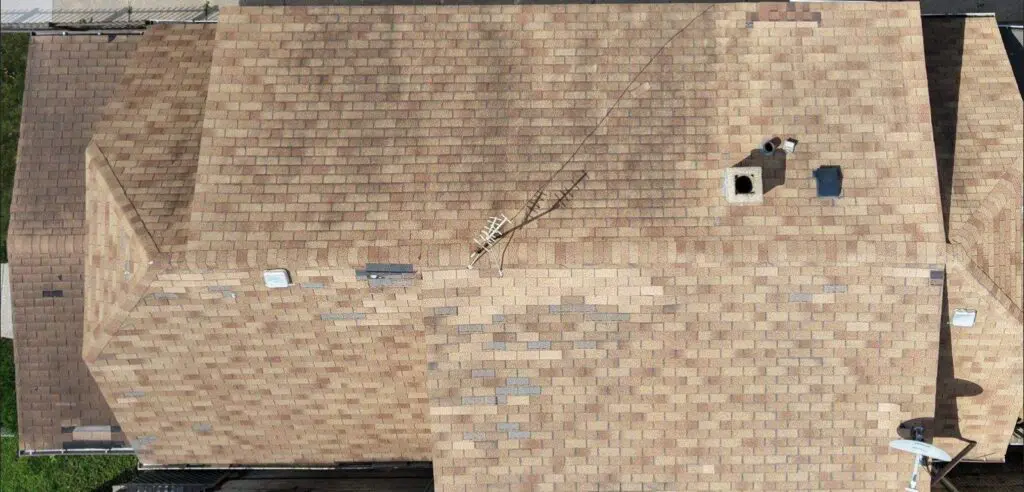
Shingles in the yard after a windy night. A stain creeping across the guest room ceiling. Granules collecting where the downspout empties. Every one of those raises the same question: patch it, or replace the whole thing?
There’s no universal answer, and anyone who gives you one without getting on the roof is guessing. What actually decides it is the roof’s age, how much of it is affected, the condition of the shingles that aren’t damaged, and whether this is the first problem or the fourth.
Bumble Roofing brings more than 60 years of combined roofing experience and over 2,700 completed installations and repairs to that call. Here’s how we walk homeowners through it.
When a Repair Is the Right Call
A young roof with damage in one place is a repair, nearly every time.
Storm damage tends to be localized. A gust catches an exposed edge and takes four shingles off the west slope while the other three come through untouched. Flashing around a chimney or plumbing vent fails long before the field shingles do, which is why so many leaks turn up on roofs that are otherwise in good shape. A professional inspection sorts out which situation you’re actually in.
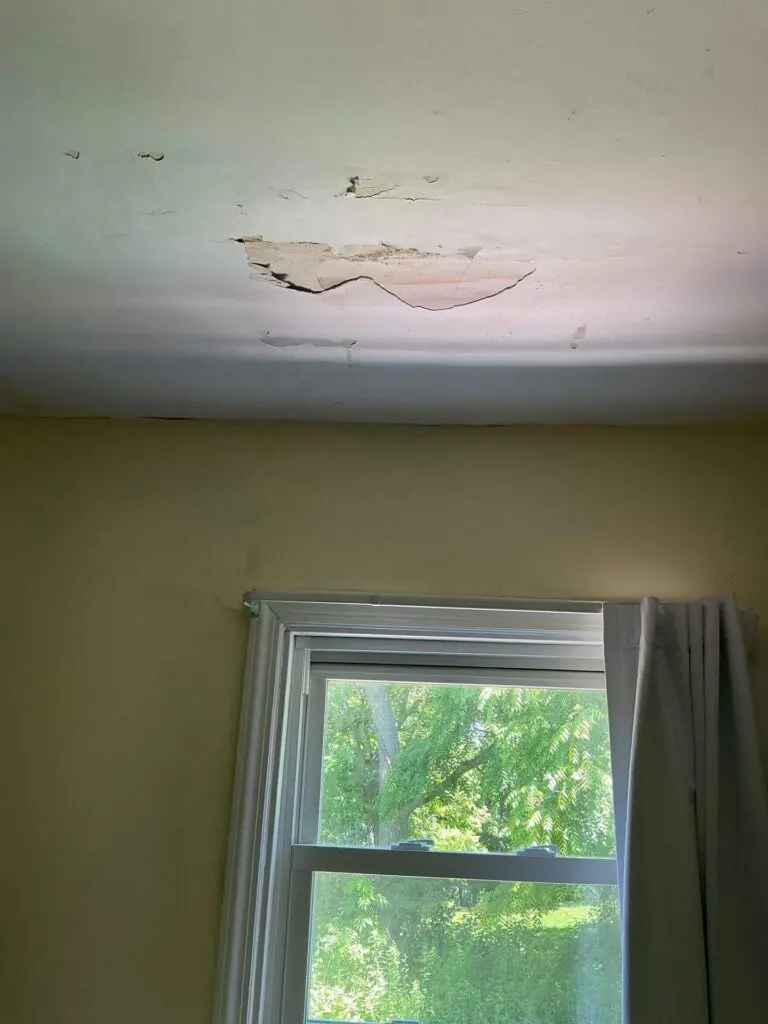
Speed matters more here than most people expect. A leak caught in week one is a shingle roof repair and some sealant. That same leak found in month six has been running down a rafter into insulation, drywall, and sometimes framing. Same entry point, very different invoice.
If the damage is contained and the rest of the roof is sound, repairing it is the better use of your money. You get more years out of a roof you already paid for.
When Replacement Wins
At some point repairs stop making sense. Usually you can feel it before a contractor confirms it — you’ve had someone out twice in three years and a new spot just appeared on the ceiling.
Signs pointing toward a house roof replacement:
- Leaks in more than one part of the house
- Shingles missing or breaking down across whole sections, not one slope
- Any sagging along the ridge or between rafters
- A repair history that keeps getting longer
- A roof at or past the age it was built to reach
A complete roof replacement costs more on day one. What you’re buying is an end to the repair cycle, plus a system where shingles, underlayment, flashing, and ventilation were all installed together and are all the same age. Depending on your materials and how the attic breathes, a new roof can also make the house cheaper to heat and cool.
Age Is the First Question We Ask
Asphalt shingles are generally built for 20 to 30 years, though installation quality, ventilation, and routine maintenance all move that number — and Chicago weather moves it too.
Ten-year-old roof with storm damage on one slope? Repair it. Twenty-five-year-old roof with the same damage? Money spent there is money you’ll spend again, probably soon.
The complication is that plenty of homeowners inherit a roof and have no idea when it went on. A contractor can usually narrow it down during an inspection from the shingle profile, the wear pattern, and how many layers are up there. Knowing whether you’ve got eight years left or two changes the entire calculation.
What Weather Does Over Time
Roofs around here take rain, hail, wind, snow load, freeze-thaw cycles, and July sun — sometimes most of that in a single month. It adds up.
After a bad storm, walk the property. Shingles or tiles on the lawn, branches on the roof, granules washed into the driveway — those are the visible signs.
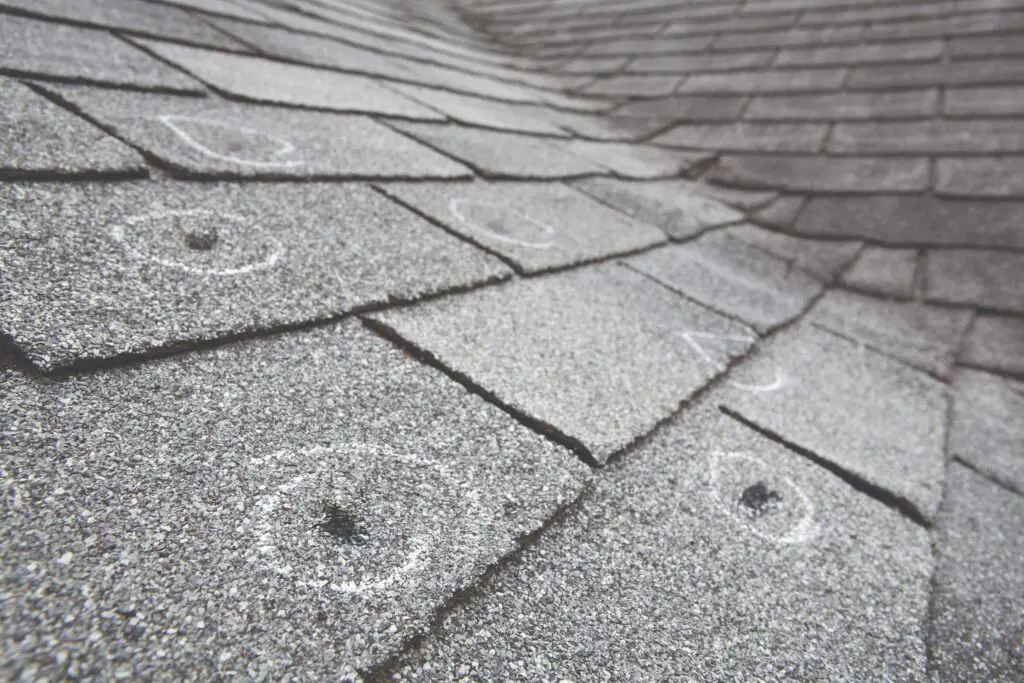
The trouble is that the worst storm damage often isn’t visible from the ground. Wind can break a shingle’s seal without moving it, leaving it lifted just enough for water to get underneath. Hail can bruise the mat under the granules while the surface still looks fine.
That’s why an inspection after significant weather is worth scheduling even when nothing looks wrong. Damage documented now is easier to deal with — with an insurer, and with the roof itself.
Cost, But the Honest Version
Putting a repair quote next to a replacement quote isn’t really a comparison. They answer different questions.
The repair is cheaper. It’s supposed to be — you’re fixing part of a roof, not all of it. The question is how many more of those you’re going to buy. Three repairs on a failing roof over four years starts to approach the cost of just replacing it, and you spent those four years dealing with leaks.
A roof replacement is a bigger number up front and comes with things a repair doesn’t: current manufacturer warranties, better energy performance if the old system was under-ventilated, and a roof you can stop thinking about.
When you weigh both the short-term and long-term numbers, neither option is automatically smarter. It depends entirely on how much life is left in what’s already up there.
Can You Just Do One Section?
Often, yes. If the surrounding shingles are in decent shape and the damage is confined, replacing a section works and holds.
Two things get in the way. The first is history — if this is the third patch on the same roof, the roof is telling you something. The second is matching. Shingles fade, and product lines get discontinued. A section replaced on a fifteen-year-old roof will look like a section replaced on a fifteen-year-old roof. On a back slope, nobody cares. On the front of the house, some homeowners do.
A roofing professional should evaluate the whole system before quoting the patch, not just the damaged square footage.
An Inspection Is What Actually Answers It
A real inspection goes well past the shingles you can see. Decking, flashing, underlayment, ventilation, and any moisture that’s already found its way in — all of that determines whether a repair will hold or just buy a few months.
That’s the difference between a recommendation and a guess. You come away knowing the roof’s overall condition, roughly how much service life is left, and what the damage actually involves.
Even when the answer is that nothing needs doing today, you leave with a timeline. Planning a replacement two years out is a far better position than discovering you need one during a February storm.
Protect Your Home with the Right Roofing Solution
Repair or replacement, the expensive version of either is the one you put off.
The best solution depends on the whole roof, not just the leak or the missing shingles you can see today. Age, repair history, storm exposure, and remaining service life all feed into it. A repair adds years to a healthy roof. On a roof that’s finished, it just delays the bill.
Schedule an inspection and get a straight answer about which one you’re looking at.
Frequently Asked Questions (FAQs)
Is roof repair or roof replacement the better option?
It comes down to age and how much of the roof is affected. Isolated damage on a roof with life left in it is a repair. Widespread damage, or damage on a roof near the end of its lifespan, points to replacement.
How do I know if I need a complete roof replacement?
Multiple leaks, shingle breakdown across whole sections, sagging, or a roof at the end of its expected life. Any one of those is worth an inspection. Two or more usually means replacement.
Can a shingle roof repair fix a leak?
Yes, if the leak comes from localized damage — lifted shingles, a failed vent boot, bad flashing. That’s most leaks on roofs under fifteen years old.
How long does a house roof replacement take?
One to three days for most homes, depending on size, roof complexity, and weather.
Does homeowners insurance cover roof repair or roof replacement?
It may, when the damage comes from a covered event like hail or wind. Normal wear and aging generally isn’t covered, which is why documentation right after a storm matters.
Roofing, the Easy Way
Get Estimate