

Hail Damage vs Roof Blistering: How to Tell the Difference
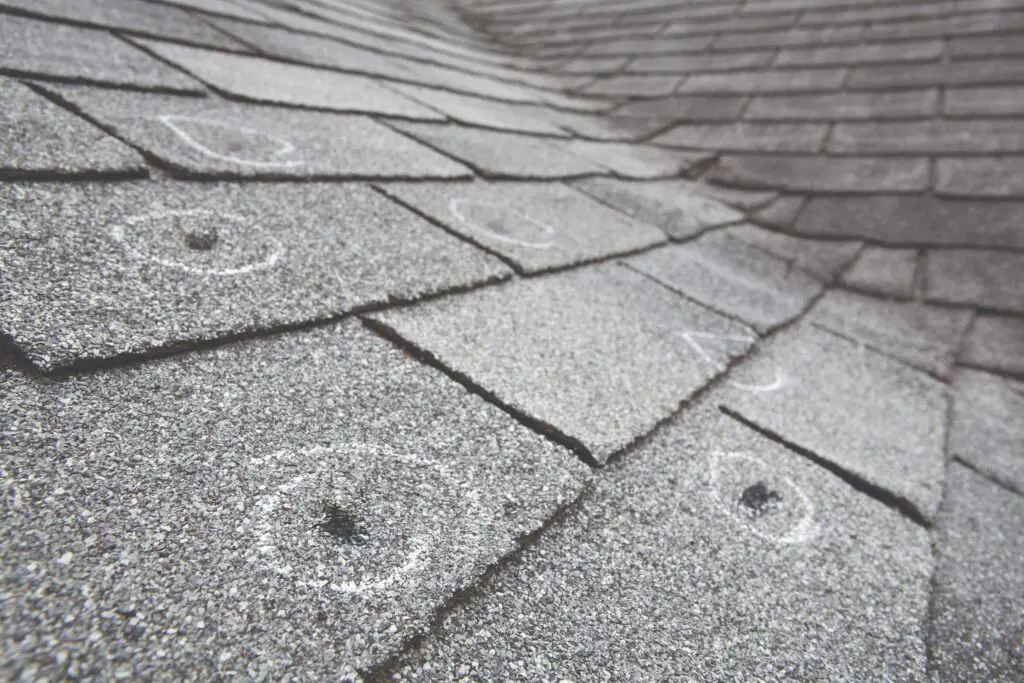
Two homeowners, same phone call: there are bare spots on my shingles and granules washing out of the downspout.
One of them had hail come through three weeks ago. The other has a nineteen-year-old roof over an attic that doesn’t breathe. From the driveway, the damage can look nearly identical. What caused it, and what happens next, are not remotely the same.
Getting hail damage vs blistering right has practical consequences. One may be a storm claim. The other usually isn’t, and filing it as one costs you time and can leave a denied claim on your record. The fixes diverge too — hail is a repair-or-replace question, while blistering often traces back to ventilation.
Bumble Roofing inspects roofs across DuPage County, Will County, and the surrounding suburbs. Here’s how the two differ.
What Hail Actually Does
Hail damages a roof by impact. A stone hits hard enough to knock granules loose and bruise the asphalt mat underneath. How bad it gets comes down to stone size, wind direction, shingle age, and material. Older shingles are more brittle, so smaller hail does more to them.
What it looks like:
- Round impact marks, roughly matching the size of the stones that fell
- Granules knocked away, leaving darker exposed patches
- Bruised spots that give slightly under a thumb, like a dented apple
- Cracks running through the shingle
- Dents in gutters, downspouts, vents, and flashing
That last one matters more than people realize. Soft metal registers hail before shingles do, so it’s often where an inspection starts. If the gutters and vent caps are clean and the shingles look chewed up, hail probably wasn’t responsible.
The other tell is pattern. Hail lands randomly. You’ll see scattered marks with no order to them, usually across more than one slope depending on how the storm tracked through.
What Blistering Is
Blistering isn’t impact damage at all. It’s the shingle failing from the inside.
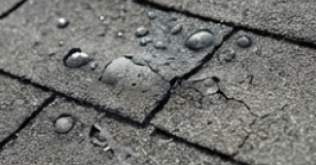
Moisture or trapped gas sits inside or beneath the shingle. Heat expands it. The surface lifts into a small raised bubble. Give it a few more summers and that bubble ruptures, taking the granules with it and leaving bare asphalt open to UV.
Attic ventilation is usually behind it. Owens Corning’s guidance on the subject notes that ventilation and insulation work together to manage heat and moisture beneath the roof, and that rising attic heat makes moisture problems worse. A roof sitting over an attic that can’t move air runs hot, and hot roofs age fast.
What blistering looks like:
- Raised bumps or bubbles across the shingle surface
- Popped blisters with asphalt showing through
- Deterioration spread over broad areas rather than isolated points
- Wear that’s fairly even, or heaviest on the sunniest slope
- Surface cracking with no impact marks anywhere near it
Blistering builds over years. It doesn’t come from one storm.
Hail Damage vs Blistering: Side by Side
| What to Compare | Hail Damage | Roof Blistering |
| Cause | Hailstones striking the roof hard enough to damage the shingle surface. | Trapped heat, moisture, or gas beneath the shingle, usually tied to attic ventilation, age, or a material defect. |
| Appearance | Dents, bruises, dark spots, round impact marks where granules were knocked off. | Raised bubbles, or popped bubbles with asphalt showing through. |
| Pattern | Random and scattered, typically across several slopes. | Broad and fairly even, worst where the sun hits hardest. |
| Timing | Shows up right after a storm. | Builds over years. |
| Granule Loss | Displaced by impact, leaving fresh-looking bare spots. | Released when a blister ruptures. |
| Metal Components | Gutters, vents, and flashing usually dented too. | Metal untouched. |
| Insurance | May qualify as storm damage, depending on roof condition, documentation, and your policy. | Generally treated as wear, aging, or a ventilation issue rather than a covered storm event. |
| Next Step | Get a post-storm inspection documented while the damage is fresh. | Get the attic ventilation evaluated along with the roof. |
Because these two can read the same from the ground, a professional inspection is the only reliable way to sort them out. An experienced roofer will weigh the damage pattern, shingle condition, roof age, ventilation, and recent weather history before recommending anything.
Granule Loss Is the Overlap
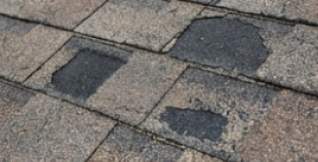
Granules in the gutter are what usually prompts the call. They pile up near downspouts or wash out onto the driveway apron after a heavy rain, and they can come from either problem — or from a roof that’s simply getting old.
Where they came from is readable if you know what you’re looking at.
| What to Look For | Hail Damage | Roof Blistering |
| How they came off | Knocked loose by direct impact. | Released when a blister expanded and ruptured. |
| The bare spot | Sharply defined, dark, looks fresh. | Rounded and worn at the edges. |
| Where on the roof | Isolated spots in no particular arrangement. | Widespread, heaviest on older or sun-exposed sections. |
| Nearby shingles | Bruising, cracking, dented metal alongside. | General bubbling, cracking, surface breakdown. |
So a bare spot isn’t automatically hail, and a worn patch isn’t automatically normal aging. It depends on how the granules left the shingle, and that’s the part a roof inspection resolves.
Why the Diagnosis Has to Be Right
Homeowners try to settle this from the ground or by comparing their roof to photos online. It rarely works.
Adjusters and contractors are weighing several things at once — shingle age, impact pattern, weather history for that specific address, how the granules came off, the state of the ventilation, and whether neighboring properties took damage in the same event.
Guessing wrong cuts both ways. Hail damage doesn’t always cause a leak immediately, so waiting lets compromised shingles sit through another winter. Calling blistering a storm claim, meanwhile, tends to end in a denial and a roof that still isn’t ventilated properly.
A documented inspection gives you a record of the roof’s condition on a specific date. That’s useful whether you file or not.
Storm Damage Repair From Bumble Roofing
When severe weather comes through the Chicago area, moving quickly keeps a roofing problem from turning into a structural one. Bumble Roofing’s storm damage services cover the inspection, the diagnosis, and the repair — including telling you when the damage isn’t storm-related, which happens often enough to be worth saying.
What we handle:
- Full roof inspections after severe weather
- Hail and wind damage assessment
- Emergency repairs
- Temporary protection when a roof can’t wait
- Documentation for storm-related claims
- Repair or replacement recommendations based on what the roof actually shows
Whether you’re dealing with obvious hail damage or trying to work out roof blistering vs hail damage on a roof that’s been quietly aging, we’ll give you a straight read on it.
One piece of advice regardless: stay off the roof. If you’re seeing missing granules, lifted shingles, water stains inside, or anything that changed after a storm, book an inspection and let someone get up there safely.
Protect Your Roof Before Small Problems Get Expensive
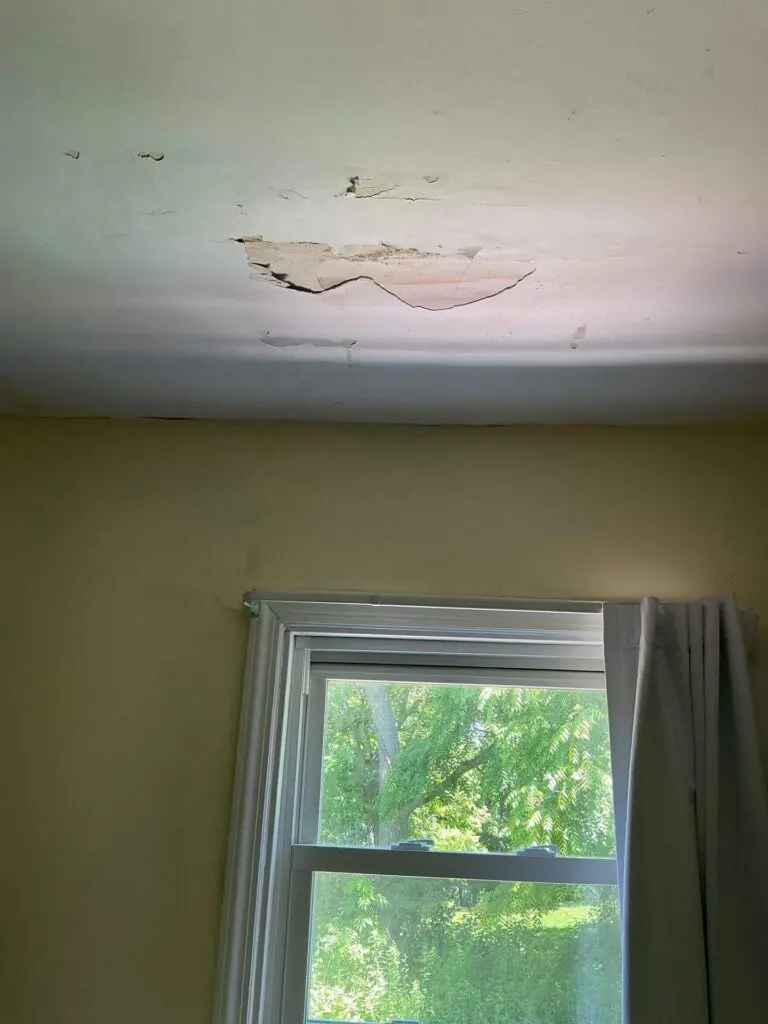
Hail and blistering both leave a roof exposed, even when the damage looks cosmetic. Missing granules, bare asphalt, cracked shingles — all of it gives water a path under the surface, and that’s how a surface problem becomes a ceiling problem.
If you’ve noticed granules collecting, shingles wearing unevenly, stains inside, or anything new after a storm, schedule an inspection before the next heavy rain tests it. Bumble Roofing helps homeowners across the greater Chicago area figure out what caused the damage and what to do about it.
Roofing, the Easy Way
Get Estimate